Common Cleaning Mistakes That Can Lead To Health Violations
Blog
Common Cleaning Mistakes That Can Lead To Health Violations
Hygiene has become one of the biggest priorities for modern workplaces, and it is no longer just about appearances. The way a business handles its cleaning practices has a direct impact on health and safety compliance, employee wellbeing, and customer confidence. What many business owners do not realise is that even small cleaning mistakes, the kind that seem harmless on the surface, can quietly build up into serious violations, hefty penalties, and reputational damage. In this guide, we will walk through the most common cleaning mistakes to avoid, why they matter for compliance, and practical steps you can take to keep your workplace clean, safe, and regulation ready.
Why Cleaning Standards Matter For Health Compliance
Cleaning standards are not just a box-ticking exercise, they form the foundation of a safe and compliant workplace.
Protecting Health & Safety
Consistent, high quality cleaning helps prevent the spread of bacteria, viruses, and other contaminants that can easily travel through shared spaces. This creates a safer environment for employees, customers, and visitors alike, reducing the likelihood of illness spreading through a facility.
Meeting Regulatory Requirements
Every business has health and safety obligations it must meet, and these often include specific cleanliness standards depending on the industry. Compliance inspections tend to focus heavily on hygiene, which means cleaning practices are often one of the first things assessed when regulators walk through the door.
Maintaining Business Reputation
Poor hygiene has a lasting impact on customer trust and business credibility, often more than business owners expect. A single visible lapse in cleanliness can undo months of good service, which is why cleanliness plays such an important role in long term operational success.
The Difference Between Cleaning, Sanitising, & Disinfecting
These three terms are often used interchangeably, but they mean very different things, and understanding the distinction is key to staying compliant.
What Is Cleaning?
Cleaning refers to the physical removal of dirt, dust, and debris from surfaces. It makes a space look tidy but does not necessarily reduce germs or bacteria to a safe level on its own.
What Is Sanitising?
Sanitising goes a step further, reducing germs to safer levels using approved methods and products designed specifically for that purpose.
What Is Disinfecting?
Disinfecting is the most thorough of the three, killing harmful bacteria and viruses on high touch surfaces where contamination risk is greatest.
Why Understanding The Difference Matters
Choosing the right method for different environments is essential, since applying the wrong process can leave harmful pathogens behind even when a space looks clean. Many compliance issues stem directly from businesses assuming that basic cleaning is enough when sanitising or disinfecting was actually required.
Common Cleaning Mistakes That Lead To Health Violations
Some of the most common cleaning mistakes are also the easiest to overlook, which is exactly why they end up causing compliance issues.
Inconsistent Cleaning Schedules
Skipping routine cleaning tasks, even occasionally, allows dirt and bacteria to accumulate faster than expected. Failing to clean high traffic areas regularly is one of the quickest ways for a business to fall behind on hygiene standards.
Ignoring High-Touch Surfaces
Door handles, light switches, counters, and shared equipment are touched constantly throughout the day, yet they are often missed during routine cleaning. These areas pose a higher contamination risk simply because of how frequently they are used.
Using Incorrect Cleaning Products
Applying unsuitable chemicals to certain surfaces can cause damage or leave the area looking clean while doing little to actually remove germs. Using products that are ineffective against specific bacteria or viruses is one of the more common cleaning mistakes businesses make without realising it.
Poor Cleaning Techniques
Reusing dirty clothes and equipment across multiple surfaces can spread contamination rather than remove it. Cleaning surfaces in the wrong order, such as moving from dirtier to cleaner areas, can also undo the benefits of an otherwise thorough clean.
Neglecting Hard-To-Reach Areas
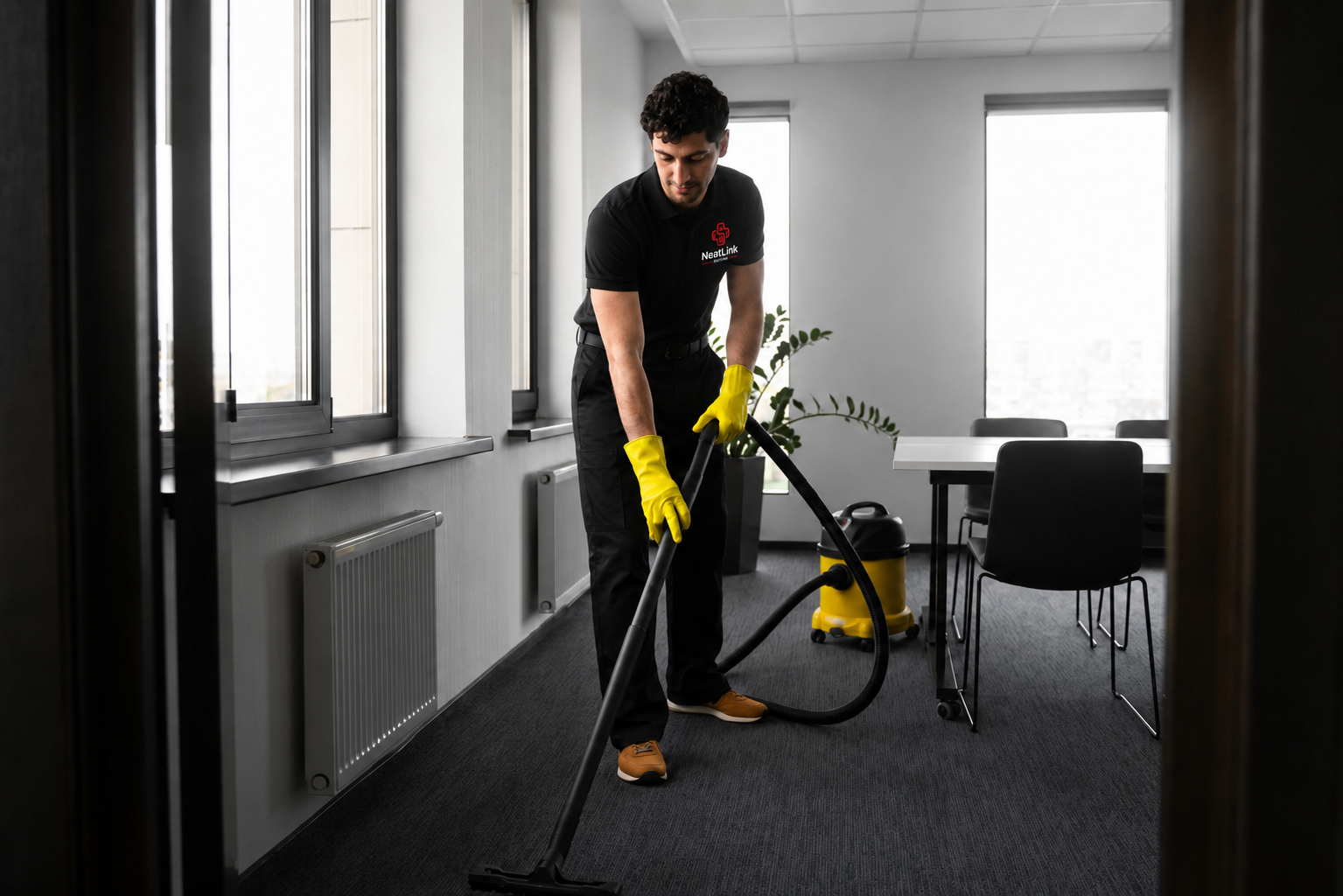
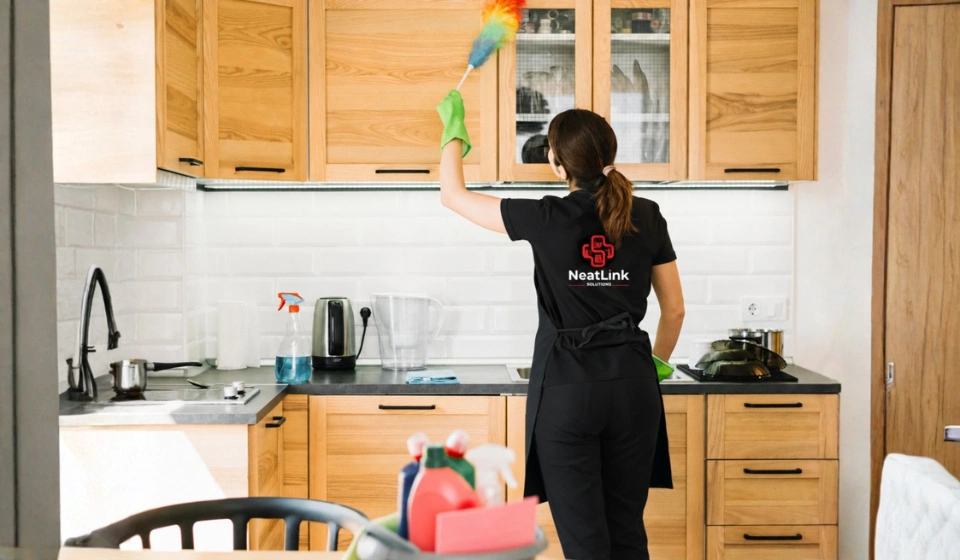
Corners, vents, behind equipment, and storage areas are easy to forget, but they are often where dirt and bacteria build up unnoticed. Hidden grime in these spots can lead to violations even when the visible areas of a facility appear spotless.
Failing To Train Staff Properly
A lack of clear cleaning procedures and accountability often results in inconsistent standards across a team. When staff are not properly trained, cleaning quality can vary significantly from person to person, creating gaps in compliance.
Poor Record Keeping
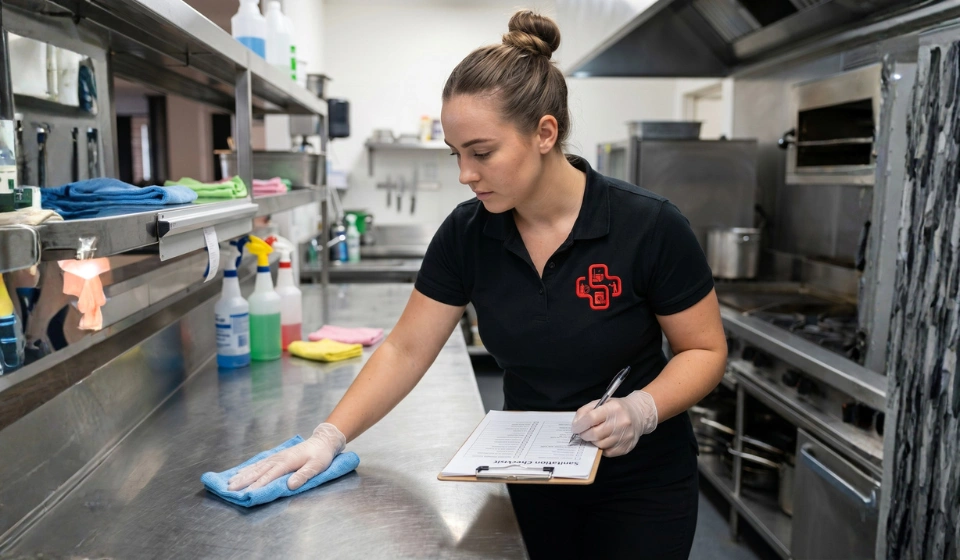
Not maintaining cleaning checklists or schedules makes it difficult to prove that proper procedures are being followed. Documentation is often just as important as the cleaning itself, especially during inspections where evidence of consistency is required.
The Consequences Of Poor Cleaning Practices
The impact of poor cleaning practices tends to extend far beyond a dusty surface or a missed spot.
Increased Health Risks
Poor cleaning increases the chances of cross contamination and illness outbreaks, which can affect staff, customers, and visitors alike.
Regulatory Penalties & Fines
Businesses that fail to meet hygiene standards may face warnings, financial penalties, or in more serious cases, temporary closures until issues are resolved.
Damage To Business Reputation
Negative reviews spread quickly, and a reputation for poor hygiene can lead to a lasting loss of customer confidence that is difficult to rebuild.
Higher Long-Term Costs
Neglecting proper cleaning often results in increased maintenance expenses down the line, along with operational disruptions that could have been avoided with consistent upkeep.
How To Avoid These Mistakes
Avoiding these common mistakes comes down to structure, training, and knowing when to bring in professional support.
Develop A Structured Cleaning Schedule
Creating daily, weekly, and monthly cleaning routines helps ensure nothing gets overlooked and that cleaning remains consistent across the board.
Use The Right Products & Equipment
Matching cleaning solutions to specific surfaces and requirements ensures that cleaning efforts are actually effective rather than just cosmetic.
Prioritise High-Touch & High-Risk Areas
Implementing targeted cleaning protocols for high touch and high risk zones helps reduce contamination where it matters most.
Train Staff Regularly
Establishing clear cleaning procedures and responsibilities keeps standards consistent, even as team members change over time.
Partner With Professional Cleaning Services
Bringing in expert support can make maintaining compliance standards far easier, giving business owners peace of mind that hygiene requirements are being met correctly and consistently.
Key Takeaways
Health compliance depends on far more than surface level cleanliness, it requires consistency, proper technique, and attention to detail. Small cleaning mistakes can quietly result in significant risks and penalties if left unaddressed. Proper procedures, ongoing staff training, and regular inspections all play an essential role in staying compliant. Ultimately, a proactive cleaning strategy is one of the simplest ways to create a safer, healthier, and fully compliant environment for everyone who walks through the door.