The Complete Guide To Janitorial Cleaning Checklists
- Blog
- The Complete Guide To Janitorial Cleaning Checklists
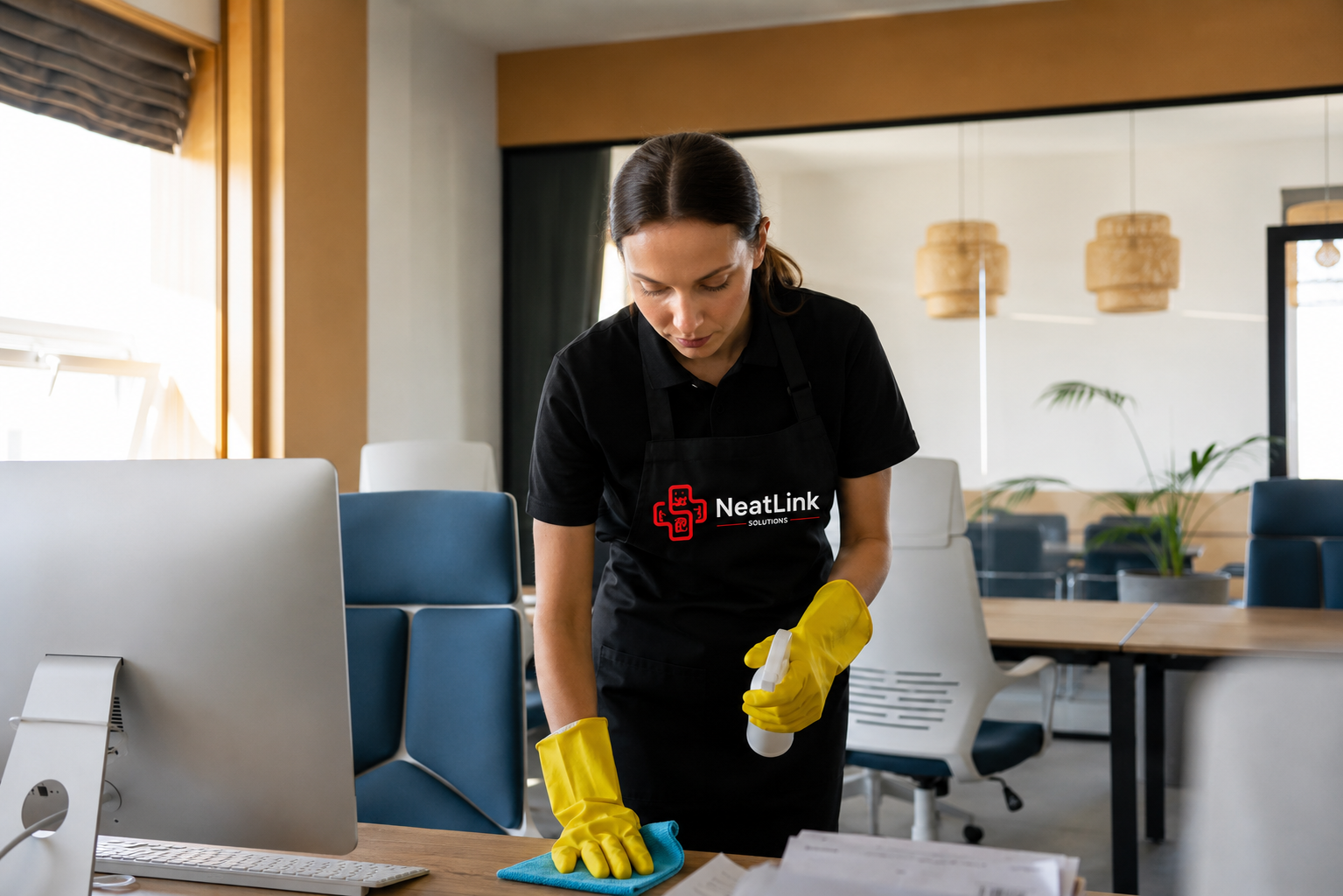
Clean and well-maintained commercial spaces play an important role in creating safe, productive, and professional environments. From offices and retail stores to healthcare facilities and educational institutions, cleanliness directly affects employee wellbeing, customer impressions, and overall workplace efficiency. Structured cleaning systems help businesses maintain consistent standards while reducing hygiene risks and operational disruptions. This guide explores the purpose of organised cleaning routines, explains the value of a reliable janitorial cleaning checklist, and outlines how effective schedules can support healthier and more efficient workplaces.
What Is A Janitorial Cleaning Checklist?
A janitorial cleaning checklist is a structured document that outlines cleaning tasks required to maintain commercial spaces in a clean, hygienic, and organised condition. It acts as a practical guide for cleaning staff by clearly identifying which tasks need to be completed, how often they should be performed, and which areas require special attention. Businesses across industries rely on these checklists to maintain consistency and ensure no important cleaning duties are overlooked.
Unlike general cleaning, janitorial maintenance involves ongoing and scheduled upkeep designed to support daily business operations. While regular cleaning may focus on surface-level tidiness, janitorial cleaning includes systematic maintenance such as sanitising high-touch surfaces, managing waste, maintaining floors, and supporting workplace hygiene standards over time. Industries such as healthcare, hospitality, education, retail, and corporate offices commonly use a janitorial cleaning schedule to improve accountability, maintain compliance standards, and create safer environments for staff and visitors.
Essential Areas Covered In Janitorial Cleaning
An effective janitorial cleaning list covers all high-traffic and frequently used areas within a commercial property. Different facilities may have unique cleaning requirements, but most professional cleaning routines focus on maintaining hygiene, presentation, and operational safety across essential spaces.
- Reception areas and lobbies, including entrance glass, seating, counters, and touchpoints to create a positive first impression.
- Workstations, desks, office equipment, and shared surfaces require routine sanitisation to minimise the spread of germs.
- Restrooms, kitchens, and breakrooms where hygiene standards are critical for employee health and comfort.
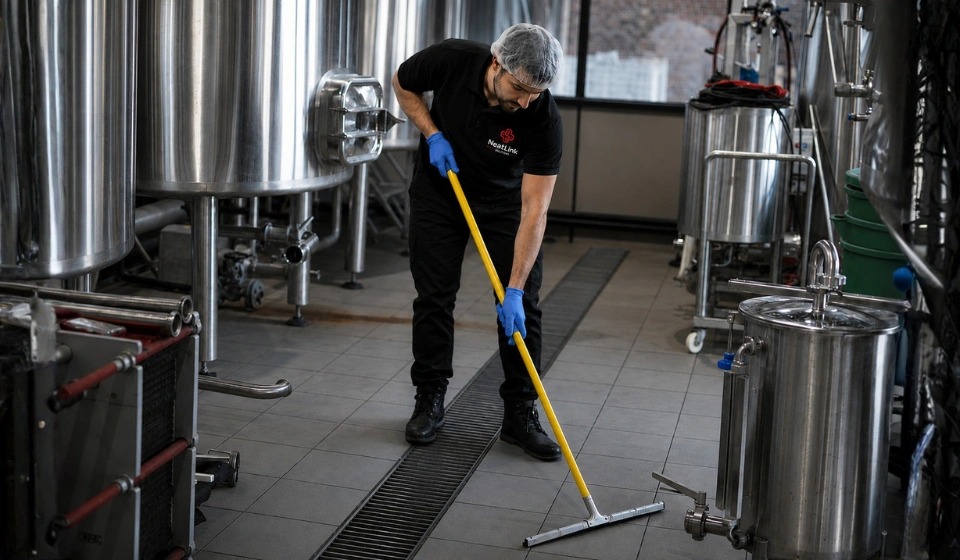
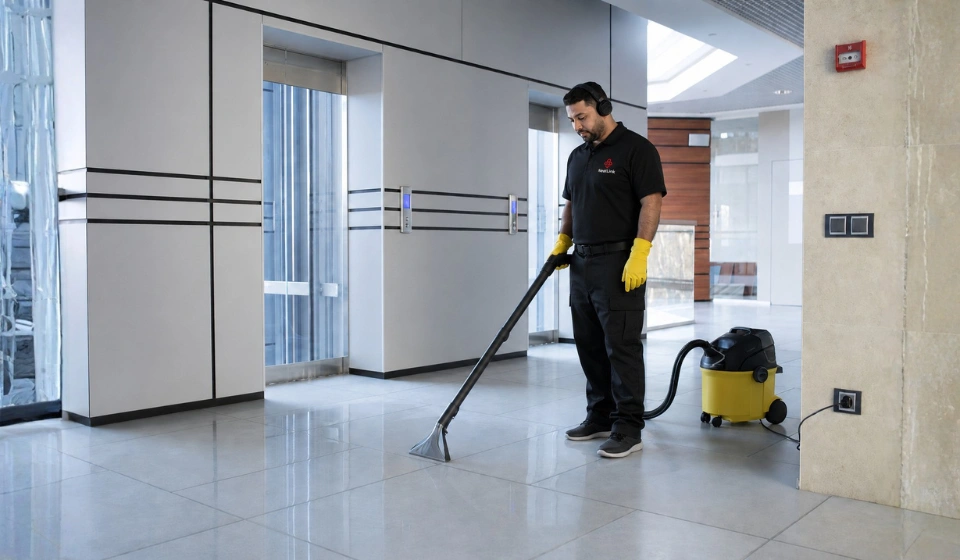
- Floors and carpets are vacuumed, mopped, polished, and spot-cleaned to maintain cleanliness and extend flooring lifespan.
- Waste disposal, bin sanitisation, window cleaning, and high-touch surface disinfection to support a hygienic and organised workplace.
Daily, Weekly & Monthly Cleaning Schedules
A structured janitorial cleaning schedule helps businesses maintain consistent cleanliness without disrupting everyday operations. Breaking tasks into daily, weekly, and monthly responsibilities allows cleaning teams to prioritise hygiene while ensuring larger maintenance tasks are completed regularly. This organised approach also improves efficiency and prevents cleaning duties from becoming overwhelming.
Daily Cleaning Tasks
Daily cleaning focuses on maintaining hygiene and presentation in high-traffic areas. These tasks are essential for creating a clean environment that supports employee well-being and leaves a positive impression on visitors.
Bins should be emptied regularly, and liners replaced to prevent odours and waste overflow. High-touch surfaces such as door handles, reception counters, light switches, shared desks, and kitchen appliances should be sanitised frequently to reduce the spread of bacteria and viruses. Restrooms require daily attention, including disinfecting toilets, sinks, mirrors, and restocking essential supplies such as soap, paper towels, and toilet paper.
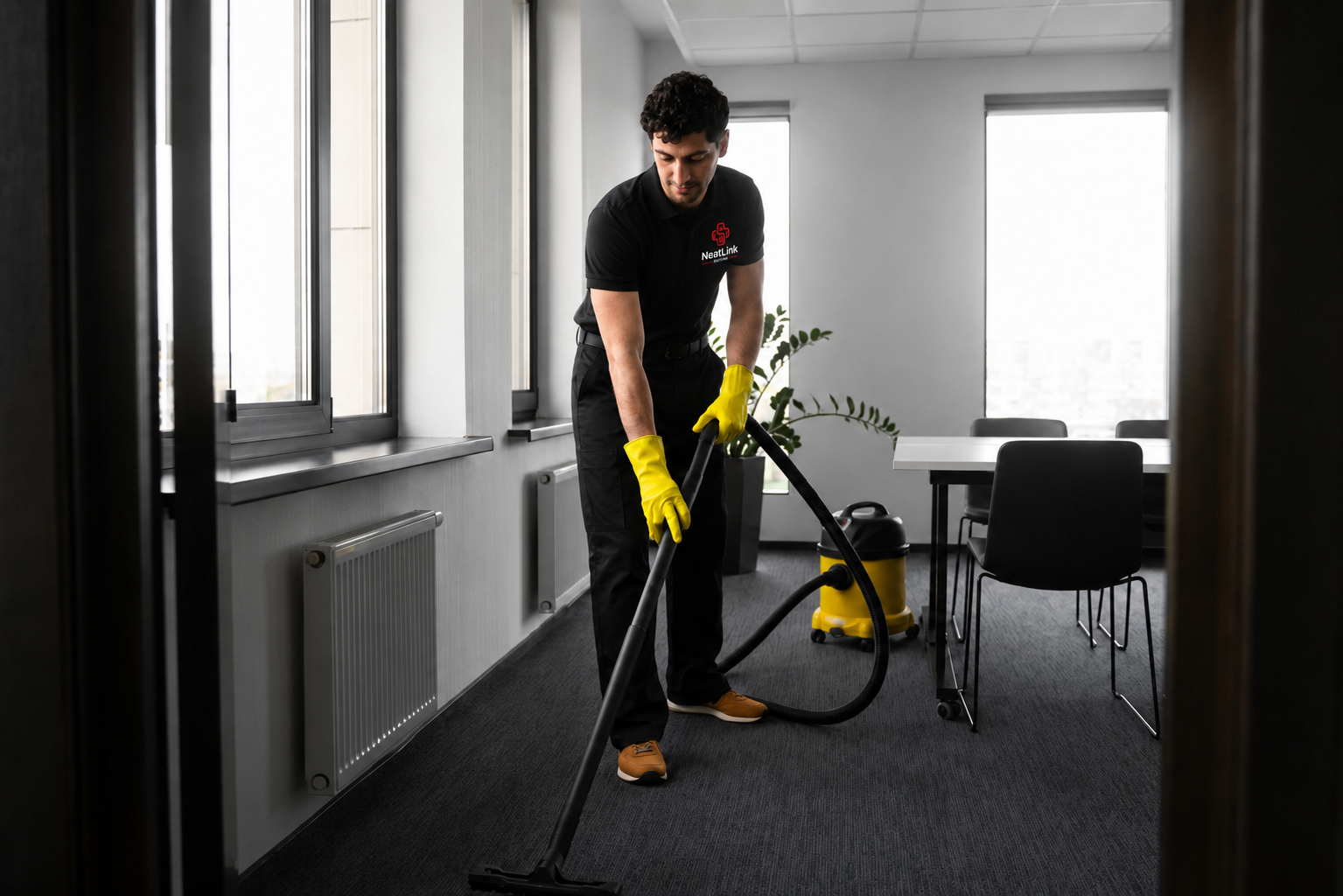
Vacuuming carpets and spot mopping hard floors also form part of daily cleaning routines. These tasks help remove dust, dirt, and debris before they accumulate and affect indoor cleanliness.
Weekly Cleaning Tasks
Weekly cleaning tasks focus on deeper maintenance that supports long-term cleanliness and hygiene standards. Shared spaces such as kitchens and staff breakrooms benefit from more detailed cleaning to remove grease, food residue, and bacterial buildup.
Dusting blinds, vents, skirting boards, and hard-to-reach areas is important for maintaining air quality and reducing dust accumulation. Carpet spot treatments and floor polishing also help preserve the appearance and condition of flooring materials, especially in high-traffic commercial spaces.
Detailed restroom sanitisation is another key weekly task. This may include descaling fixtures, cleaning grout, and addressing hidden moisture-prone areas that can contribute to odours and bacteria growth if neglected.
Monthly Cleaning Tasks
Monthly cleaning tasks involve larger maintenance duties that support workplace presentation and hygiene compliance over time. Deep carpet and upholstery cleaning removes embedded dirt, allergens, and stains that regular vacuuming cannot address effectively.
Interior window cleaning improves natural light and enhances the professional appearance of commercial spaces. High-level dusting of ceilings, vents, shelves, and wall surfaces also helps maintain a cleaner environment while reducing airborne dust particles.
Many businesses also use monthly cleaning periods to conduct maintenance checks related to hygiene and workplace safety standards. This may include reviewing supply levels, identifying damaged surfaces, and assessing whether the current janitorial services checklist remains effective for operational needs.
Benefits Of Structured Janitorial Cleaning Plans
A structured cleaning plan supports more than just appearance. It helps businesses maintain healthier environments, improve operational efficiency, and create better experiences for employees and visitors. Organised cleaning systems also provide clarity for cleaning teams, making it easier to maintain consistent standards across all areas of a facility.
- Improves workplace hygiene and employee wellbeing by reducing dust, allergens, and harmful bacteria.
- Minimises the spread of illnesses through regular sanitisation of shared and high-touch surfaces.
- Enhances workplace presentation and creates a cleaner, more professional image for clients and visitors.
- Extends the lifespan of carpets, flooring, office furniture, and shared facilities through preventative maintenance.
- Supports compliance with workplace hygiene and safety standards while improving accountability and cleaning efficiency.
How To Create An Effective Cleaning Checklist & Schedule
Creating an effective cleaning plan starts with understanding the size, layout, and operational requirements of a facility. Different environments require different cleaning priorities. For example, healthcare facilities often need stricter sanitisation procedures, while office spaces may focus more heavily on shared workstations and meeting areas. Identifying high traffic and high risk zones allows businesses to allocate cleaning resources more effectively and maintain higher hygiene standards where they are needed most.
A practical cleaning schedule should include realistic daily, weekly, and monthly tasks that can be completed consistently without interrupting workplace operations. Assigning clear responsibilities to cleaning staff helps improve accountability and ensures important duties are not overlooked. Many professional cleaning teams also use colour-coded cleaning systems and specialised supplies to reduce cross-contamination risks between different areas, such as kitchens and restrooms.
Routine inspections are another important part of maintaining an effective cleaning system. Tracking completed tasks allows managers to monitor quality, identify gaps, and adjust schedules based on seasonal changes, occupancy levels, or operational demands. Businesses that regularly review and refine their cleaning routines are often better equipped to maintain safe, hygienic, and professional environments over the long term.
Choosing The Right Janitorial Cleaning Service
Selecting the right cleaning provider is an important decision for any business. Experienced commercial cleaning companies understand the importance of customised schedules, industry-specific hygiene standards, and consistent service delivery. Businesses should look for providers that use safe and professional-grade cleaning products, employ trained staff, and maintain strong quality control procedures. Reliable cleaning teams should also offer flexible service plans that adapt to changing operational needs while ensuring minimal disruption to daily business activities. Before hiring a provider, businesses should ask about insurance coverage, staff training, communication processes, and how the company manages ongoing quality assurance to ensure long-term reliability and professionalism.
Key Takeaways
Structured cleaning systems play a critical role in maintaining clean, safe, and productive commercial spaces. A well-organised janitorial cleaning checklist helps businesses maintain consistency, improve hygiene standards, and support workplace efficiency through clear daily, weekly, and monthly routines. Professional cleaning services also help reduce health risks, preserve workplace assets, and create more professional environments for staff and visitors alike. By implementing a customised and reliable cleaning plan, businesses can support healthier operations while maintaining high standards of cleanliness and presentation.
Latest Post
The Benefits Of Carpet Cleaning
Importance Of Cleanliness In Daily Life
The Ultimate Clinic Cleaning Checklist For Medical Centres & Facilities
Deep Cleaning Vs Regular Cleaning: What’s The Real Difference?
The Complete Guide To Janitorial Cleaning Checklists
The Key Benefits Of Hiring Professional Cleaning Services
What Is Strata Cleaning? Meaning, Purpose and Key Insights