The Complete Medical Centre Cleaning Checklist
- Blog
- The Complete Medical Centre Cleaning Checklist
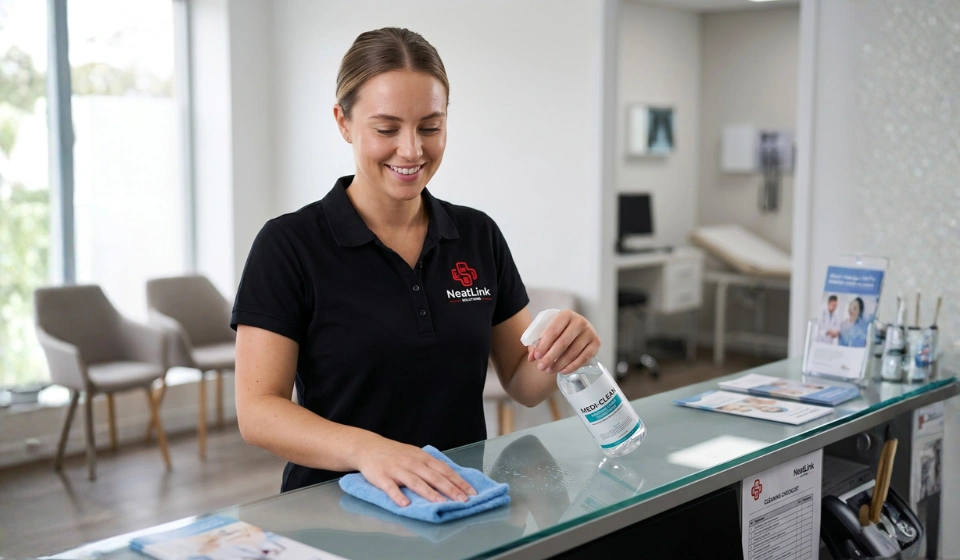
A clean medical centre is essential for protecting patient health, supporting staff wellbeing, and maintaining professional standards. From reception areas to treatment rooms, every space within a healthcare facility requires consistent cleaning and disinfection. Following a structured medical centre cleaning checklist helps ensure no critical tasks are overlooked while supporting infection control, compliance, and a positive patient experience.
Why A Cleaning Checklist Matters For Medical Centres
Medical centres are high-use environments where cleanliness directly impacts safety and care quality. A well-planned cleaning framework helps maintain hygiene standards while ensuring cleaning responsibilities are carried out consistently across the facility.
Supporting Infection Control
Cleaning is one of the most effective ways to prevent the spread of infections within healthcare environments. Patients, healthcare professionals, and visitors regularly interact with shared spaces and surfaces, creating opportunities for germs to spread if cleaning is inconsistent.
An effective infection control cleaning checklist helps reduce the risk of cross-contamination between patients and staff by ensuring high-risk areas are cleaned and disinfected appropriately. Maintaining a hygienic healthcare environment supports safer treatment outcomes and contributes to better overall health protection throughout the facility.
Creating A Safer Environment For Patients & Staff
Healthcare facilities have a responsibility to provide safe surroundings for everyone who enters the premises. Regular cleaning helps minimise exposure to harmful bacteria, viruses, and other contaminants that can compromise health and wellbeing.
A clean environment also improves comfort for patients waiting for treatment and creates a more organised workspace for healthcare professionals. By prioritising cleanliness, medical centres can foster a safer and more reassuring environment for both staff and visitors.
Meeting Healthcare Hygiene Standards
Healthcare facilities are expected to meet strict hygiene requirements designed to protect public health. Consistent cleaning practices help support compliance with healthcare cleaning expectations and industry regulations.
Following a documented healthcare facility cleaning checklist demonstrates a commitment to maintaining high standards of care. It also helps ensure cleaning activities are completed systematically rather than relying on ad hoc cleaning routines.
Daily Cleaning Tasks Every Medical Centre Should Follow
Daily cleaning activities form the foundation of a safe healthcare environment. These tasks help prevent the accumulation of contaminants and maintain a professional appearance throughout the facility.
Disinfecting High-Touch Surfaces
High-touch surfaces are among the most common points for germ transmission. Door handles, light switches, handrails, counters, reception desks, and lift buttons should be disinfected frequently throughout the day.
Shared devices and reception equipment, including payment terminals, keyboards, touchscreens, and phones, should also be sanitised regularly. Frequent disinfection helps reduce the spread of germs and supports a healthier environment for everyone using the facility.
Cleaning Consultation & Treatment Rooms
Consultation rooms and treatment areas require careful cleaning due to the close interaction between healthcare providers and patients. Examination tables, treatment chairs, countertops, and work surfaces should be cleaned and disinfected according to established protocols.
Medical equipment and frequently used tools should also be sanitised using approved cleaning products. Waste should be removed promptly, and rooms should remain organised and clutter-free to support efficient patient care and professional presentation.
Maintaining Reception & Waiting Areas
Reception and waiting areas create the first impression of a medical practice. Clean reception desks, seating areas, tables, and floors contribute to a welcoming atmosphere and reinforce confidence in the quality of care provided.
Regular cleaning helps keep floors free from dirt and debris while ensuring shared spaces remain presentable throughout the day. Maintaining these areas also supports patient comfort and overall facility hygiene.
Essential Washroom & Common Area Cleaning
Washrooms and shared staff spaces experience regular use throughout the day and require ongoing attention. Consistent cleaning helps prevent contamination while supporting a healthier environment for staff and visitors.
Keeping Washrooms Sanitised
Washrooms should be cleaned thoroughly and frequently. Toilets, basins, mirrors, taps, dispensers, and fixtures should be disinfected to remove bacteria and maintain hygiene standards.
Particular attention should be given to high-contact surfaces such as flush buttons, door handles, and taps. Maintaining hygiene throughout the day helps create a safer and more pleasant experience for patients, visitors, and employees.
Cleaning Staff Rooms & Shared Spaces
Staff kitchens, lunchrooms, and break areas often become overlooked in busy healthcare settings. However, these spaces can quickly accumulate germs and food residue if cleaning is inconsistent.
Kitchenettes, shared appliances, tables, chairs, and common touchpoints should be sanitised regularly. Clean staff areas support workplace hygiene and contribute to employee wellbeing by providing a pleasant space to rest and recharge.
Restocking Hygiene Supplies
A clean facility relies not only on cleaning practices but also on the availability of hygiene supplies. Soap dispensers, hand sanitiser stations, paper towels, and toilet paper should be monitored regularly.
Ensuring washrooms and shared spaces remain fully supplied encourages proper hygiene practices among staff and visitors. It also helps reduce the risk of contamination throughout the facility.
Weekly Deep Cleaning Priorities
While daily cleaning manages immediate hygiene needs, weekly cleaning addresses areas that require more intensive attention. These tasks help maintain the overall cleanliness and appearance of the medical centre.
Floors, Carpets & Hard Surfaces
Flooring throughout the facility should receive a deeper clean on a scheduled basis. Carpets can trap dust, dirt, allergens, and contaminants brought in from outside, while hard floors accumulate scuff marks and debris over time.
Deep cleaning flooring helps remove built-up dirt and improves both hygiene and presentation. Well-maintained floors also contribute to a more professional appearance throughout the medical centre.
Windows, Glass Partitions & Doors
Clean glass surfaces help create a brighter and more professional healthcare environment. Internal windows, glass doors, and partitions should be cleaned regularly to remove fingerprints, marks, and smudges.
Maintaining clean glass surfaces enhances visibility while reinforcing the perception of cleanliness and attention to detail throughout the facility.
Hard-to-Reach Areas & Fixtures
Dust often accumulates in locations that are overlooked during routine cleaning. High shelves, ceiling corners, vents, light fittings, and other difficult-to-access areas should be included in weekly cleaning schedules.
Removing accumulated dust and contaminants from these spaces helps improve indoor air quality and prevents dirt build-up that could affect both hygiene and appearance.
Areas That Require Extra Attention
Certain areas within a medical centre present a greater risk of contamination due to their frequency of use. These spaces should receive additional monitoring and cleaning attention.
Medical Equipment & Examination Tables
Medical equipment and examination tables come into direct contact with patients and therefore require strict cleaning and disinfection procedures. Appropriate cleaning methods should always be followed according to manufacturer recommendations and facility policies.
Maintaining hygienic treatment environments helps prevent contamination between appointments and supports safer patient care.
Frequently Touched Contact Points
Frequently touched contact points include taps, dispensers, handrails, door handles, lift buttons, and shared electronic devices. Because these surfaces are touched repeatedly throughout the day, they require more frequent cleaning than many other areas.
Increasing cleaning frequency helps minimise contamination risks and supports the ongoing safety of patients, staff, and visitors.
Waste Collection & Disposal Areas
Proper waste management is a critical aspect of maintaining healthcare hygiene. Medical and general waste should be handled, stored, and disposed of safely to minimise risks.
Bins and waste storage locations should be cleaned regularly to prevent odours, contamination, and pest activity. Maintaining these areas supports compliance with medical facility cleaning standards and contributes to a healthier facility overall.
Building An Effective Medical Centre Cleaning Schedule
A cleaning checklist is most effective when paired with a clear schedule and defined responsibilities. Consistency is key to maintaining high standards across every part of the facility.
Assigning Cleaning Responsibilities
Clearly defining cleaning tasks helps ensure nothing is overlooked. Responsibilities should be allocated to staff members or professional cleaning providers based on the nature and complexity of each task.
Establishing accountability encourages consistency and helps maintain cleaning standards throughout the facility.
Monitoring & Recording Cleaning Tasks
Maintaining detailed cleaning logs and checklists allows managers to track completed tasks and verify that cleaning procedures are being followed. A structured medical office cleaning checklist can help ensure all required tasks are documented appropriately.
Regular inspections also provide opportunities to identify areas that may require additional attention or adjustments to existing procedures.
Reviewing Cleaning Procedures Regularly
Healthcare facilities evolve over time, and cleaning procedures should evolve alongside them. Regular reviews help assess the effectiveness of cleaning practices and identify opportunities for improvement.
Updating procedures when requirements change ensures the facility continues to meet hygiene expectations and maintain high standards of cleanliness.
The Benefits Of Professional Medical Centre Cleaning Services
Professional cleaning services provide expertise, consistency, and specialised knowledge that can be difficult to achieve through internal resources alone. They play an important role in helping medical centres maintain exceptional hygiene standards.
Consistent Hygiene Standards
Professional healthcare cleaners are trained to work within healthcare environments and understand the importance of strict cleaning protocols. Their experience supports reliable cleaning processes, quality control, and consistent outcomes.
Using a structured healthcare facility cleaning checklist helps ensure every area receives the attention required to maintain a clean and compliant environment.
Reduced Risk Of Contamination
Professional cleaners understand how to identify high-risk areas and apply appropriate cleaning methods to minimise contamination. By focusing on high-contact surfaces, treatment rooms, and shared spaces, they strengthen infection prevention efforts throughout the facility.
This proactive approach helps support patient and staff safety while reducing the likelihood of contamination-related issues.
Greater Confidence For Patients & Staff
A clean and professionally maintained medical centre creates confidence among patients, visitors, and employees. Patients are more likely to trust a healthcare provider when the facility appears hygienic, organised, and well cared for.
For staff, a clean environment supports comfort, productivity, and workplace wellbeing. Ultimately, investing in professional cleaning services helps medical centres maintain their reputation while delivering a safer and more positive experience for everyone who enters the facility.
Latest Post
The Benefits Of Carpet Cleaning
Importance Of Cleanliness In Daily Life
The Ultimate Clinic Cleaning Checklist For Medical Centres & Facilities
Deep Cleaning Vs Regular Cleaning: What’s The Real Difference?
The Complete Guide To Janitorial Cleaning Checklists
The Key Benefits Of Hiring Professional Cleaning Services
What Is Strata Cleaning? Meaning, Purpose and Key Insights
The Ultimate Office Cleaning Checklist For A Healthier Workplace
The Office Cleaning Checklist Every Business Needs
Essential Cleaning Checklist For Healthcare Facilities