Pressure Washing Vs. Regular Cleaning: Which One Is Right for You
Blog
Pressure Washing Vs. Regular Cleaning: Which One Is Right for You
Keeping the exterior of your home or business looking its best is about more than just appearances. Dirt, grime, mould, and algae do not just make a property look neglected, they can also cause long term damage to surfaces, reduce the lifespan of materials, and even create slip hazards. Many homeowners and business owners assume that any type of cleaning will get the job done, but there is often confusion between pressure washing and regular cleaning, and knowing which one to use can make a real difference. Choosing the right method saves time, saves money, and helps avoid unnecessary damage to surfaces that were never designed to handle high pressure water. In this blog, we will break down what pressure washing and regular cleaning actually involve, where each one works best, and how to decide which approach suits your property.
What Is Pressure Washing & How Does It Work?
Pressure washing has become a go to solution for tackling stubborn outdoor grime, but understanding how it works helps you use it effectively and safely.
Understanding Pressure Washing
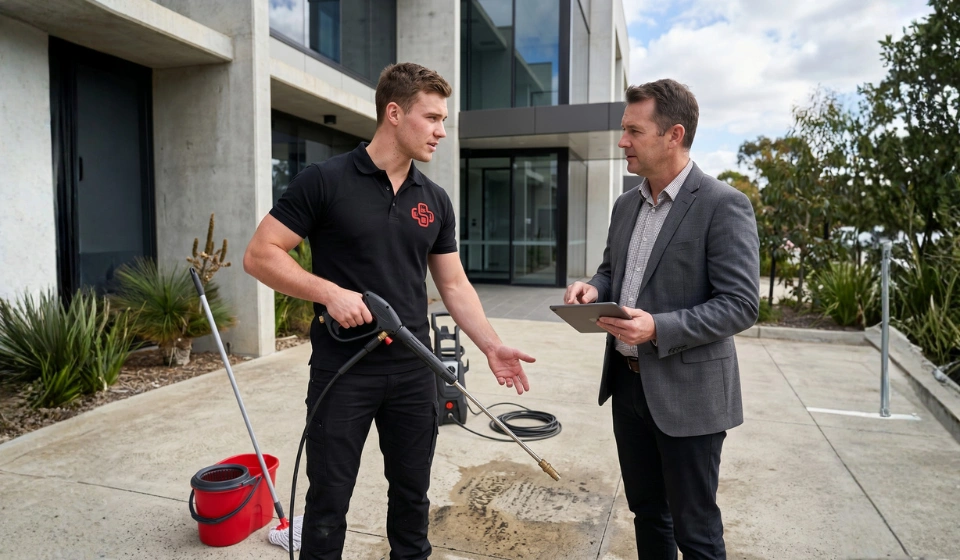
Pressure washing uses a machine that forces water out at high pressure through a nozzle, allowing it to blast away dirt, grime, mould, algae, and layered stains that regular cleaning simply cannot shift. The force of the water breaks down build up on hard surfaces, making it one of the most effective methods for restoring the original look of concrete, brick, and other exterior materials.
Where Pressure Washing Is Commonly Used
Pressure washing is widely used on driveways and pathways where oil stains, mud, and moss tend to build up over time. It also works well on concrete surfaces and pavements, building exteriors and brick walls that have gathered years of dirt, and outdoor structures like decks, patios, and fences that are exposed to the elements throughout the year.
Equipment & Techniques Used
Professional cleaners rely on adjustable pressure settings and nozzles to control the intensity of the water depending on the surface being treated. Hot water pressure washing is often used for oil and grease removal, while cold water pressure washing suits general dirt and grime. It is worth noting that pressure washing vs power washing often causes confusion, since the two terms are sometimes used interchangeably, though power washing typically refers to the use of heated water for tougher jobs. There is also a gentler method known as soft washing, which uses lower pressure combined with specialised cleaning solutions, making the difference between soft wash and pressure wash an important one to understand before choosing a service. While DIY pressure washers are available for hire, professional pressure washing ensures the correct pressure and technique is used, reducing the risk of surface damage.
What Is Regular Cleaning?
Regular cleaning refers to the everyday tasks that keep a space tidy and hygienic without the need for specialised equipment.
Understanding Traditional Cleaning Methods
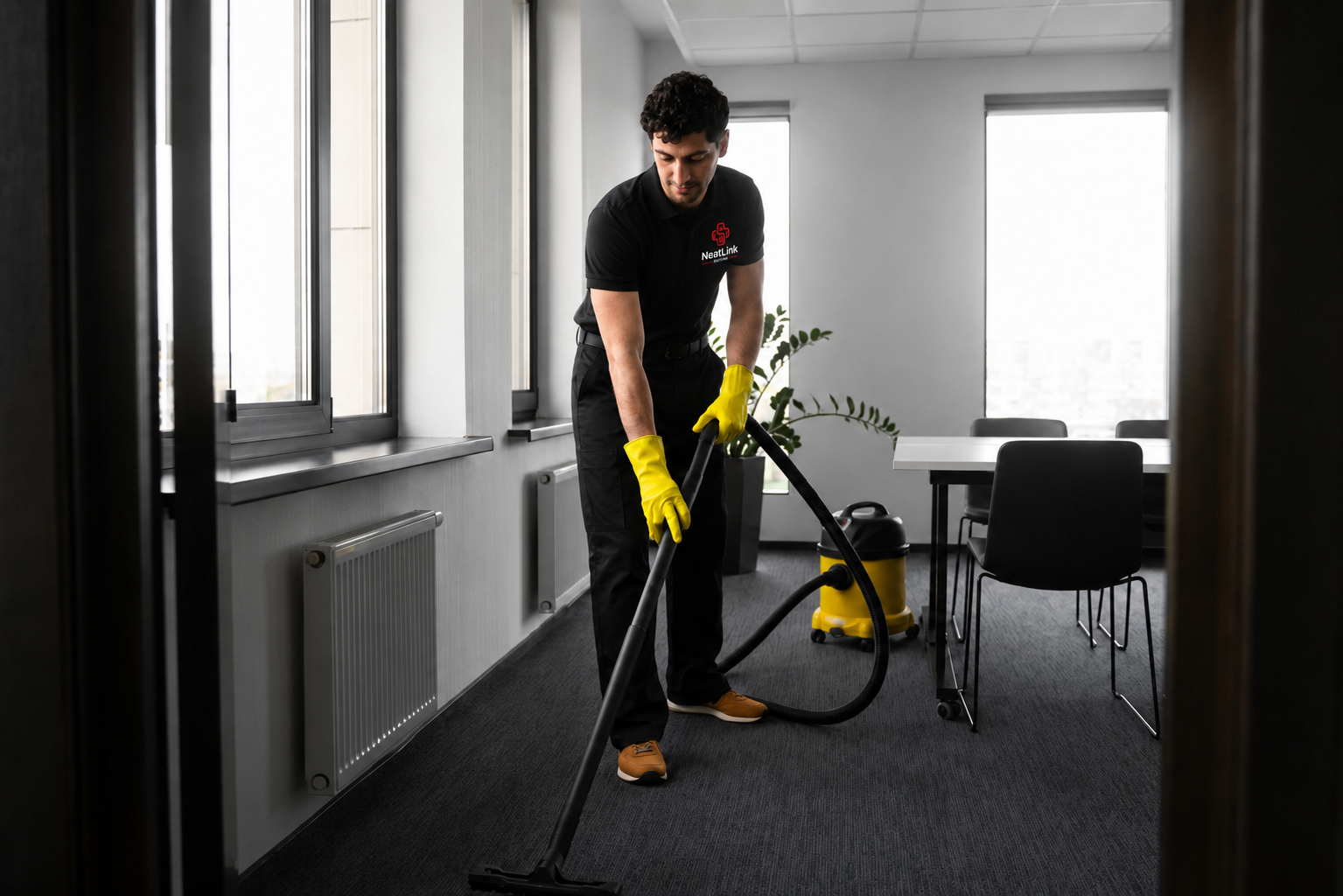
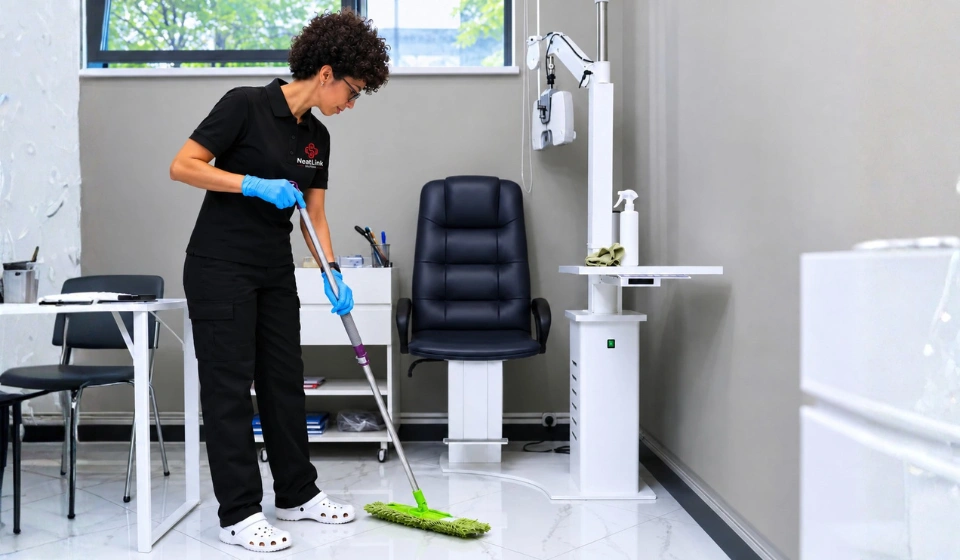
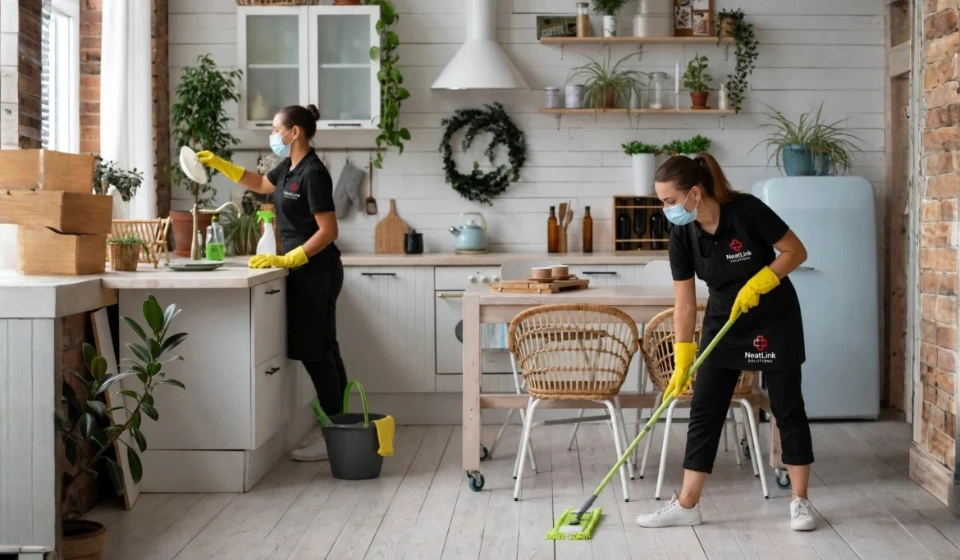
Regular cleaning involves manual techniques using basic tools such as brooms, mops, cloths, and vacuum cleaners. It relies on physical effort and standard cleaning products rather than high pressure equipment, making it suitable for maintaining cleanliness on a day to day basis.
Common Regular Cleaning Tasks
Typical regular cleaning tasks include sweeping and dusting to remove loose debris, mopping and wiping surfaces to lift dirt and spills, and vacuuming and sanitising to maintain hygiene indoors. Routine maintenance cleaning, such as wiping down benchtops or cleaning windows, also falls under this category.
Best Applications For Regular Cleaning
Regular cleaning is best suited to indoor spaces where high pressure equipment would be impractical or unnecessary. It is also the safer option for delicate surfaces that could be damaged by force, and it remains the most practical choice for day to day maintenance tasks that keep a property looking presentable between deeper cleans.
Pros & Cons of Each Method
Both pressure washing and regular cleaning have their strengths and limitations, and understanding these helps you use the right method for the right job.
Benefits Of Pressure Washing
Pressure washing delivers deep cleaning results that regular methods cannot match, particularly on surfaces with years of built up grime. It removes tough stains quickly, saving significant time compared to manual scrubbing, and it noticeably improves kerb appeal, which matters for homeowners and businesses alike.
Limitations Of Pressure Washing
Despite its benefits, pressure washing is not suitable for all surfaces, particularly softer materials like painted timber or ageing brickwork. Used incorrectly, it can cause damage such as stripped paint, etched concrete, or dislodged mortar. Professional pressure washing services also come with a higher cost compared to standard cleaning.
Benefits Of Regular Cleaning
Regular cleaning is ideal for routine upkeep, keeping spaces consistently tidy without waiting for dirt to build up. It is gentle on delicate materials, reducing the risk of damage, and it is generally more affordable for everyday cleaning needs.
Limitations Of Regular Cleaning
On the other hand, regular cleaning is less effective on heavy dirt and grime that has settled into a surface over time. It can be more time consuming when applied to large outdoor areas, and it often requires frequent repeat sessions to maintain results that pressure washing could achieve in one visit.
Which One Is Right For You?
Deciding between the two methods comes down to the condition of the surface, the type of material, and what you are trying to achieve.
Choose Pressure Washing If…
Pressure washing is the right choice if your surfaces have built up dirt, mould, or stains that regular cleaning has not been able to shift. It is also ideal when you need a deep exterior clean, or if you are preparing a property for sale or an upcoming inspection and want it looking its absolute best.
Choose Regular Cleaning If…
Regular cleaning makes more sense if you simply need routine maintenance to keep a space looking tidy. It is also the better option when surfaces are delicate or located indoors, or when light cleaning is enough to keep things in order without the need for specialised equipment.
When Combining Both Methods Works Best
In many cases, the most effective approach is combining both methods, using regular cleaning to maintain everyday tidiness and scheduling pressure washing periodically for a deeper, more thorough clean. This combination helps properties stay consistently well presented while avoiding the damage that can come from over relying on high pressure equipment.
If you are still unsure whether power washing or soft washing suits your property, or what’s the difference between pressure washing and soft washing when it comes to more sensitive exterior surfaces, speaking with a professional cleaner can help clarify the safest and most effective option for your specific needs.
Final Thoughts
There is no one size fits all approach when it comes to cleaning your home or business. The right choice depends on the type of surface, your cleaning goals, and how much dirt or grime has built up over time. When in doubt, getting professional advice can help you determine the most effective cleaning solution for your property, ensuring it stays clean, protected, and looking its best all year round.