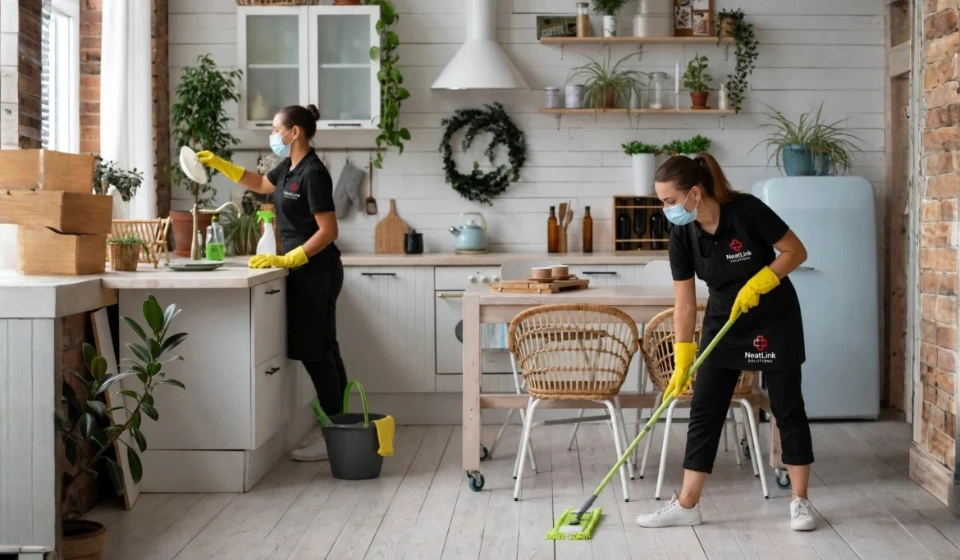
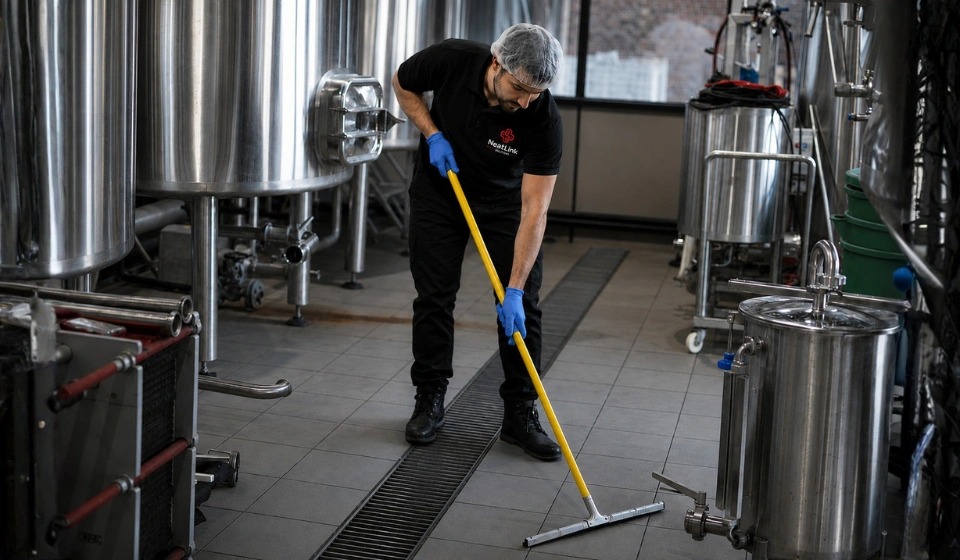
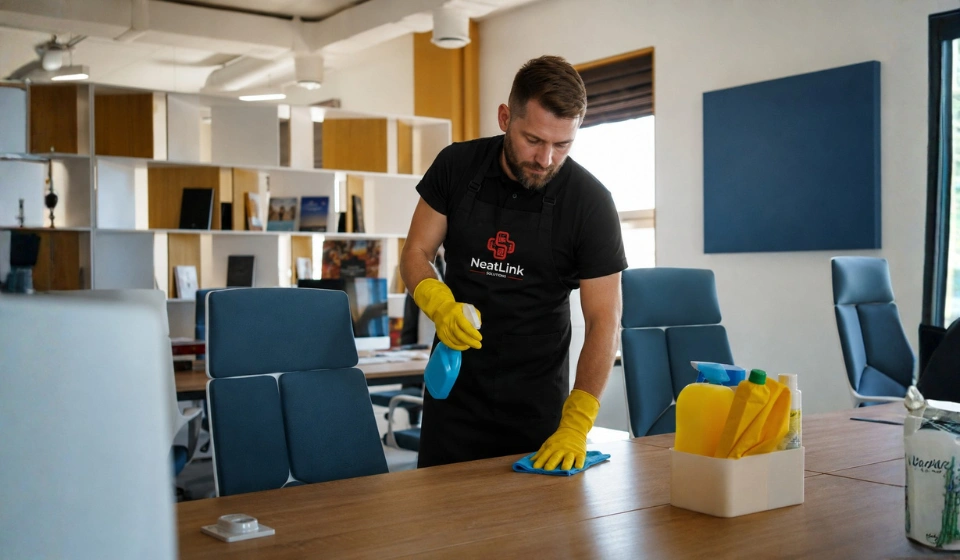
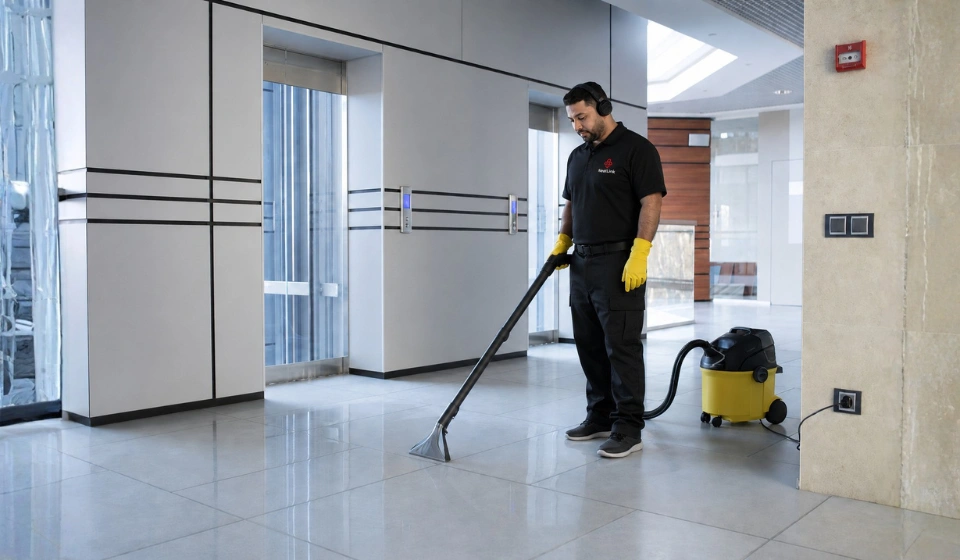
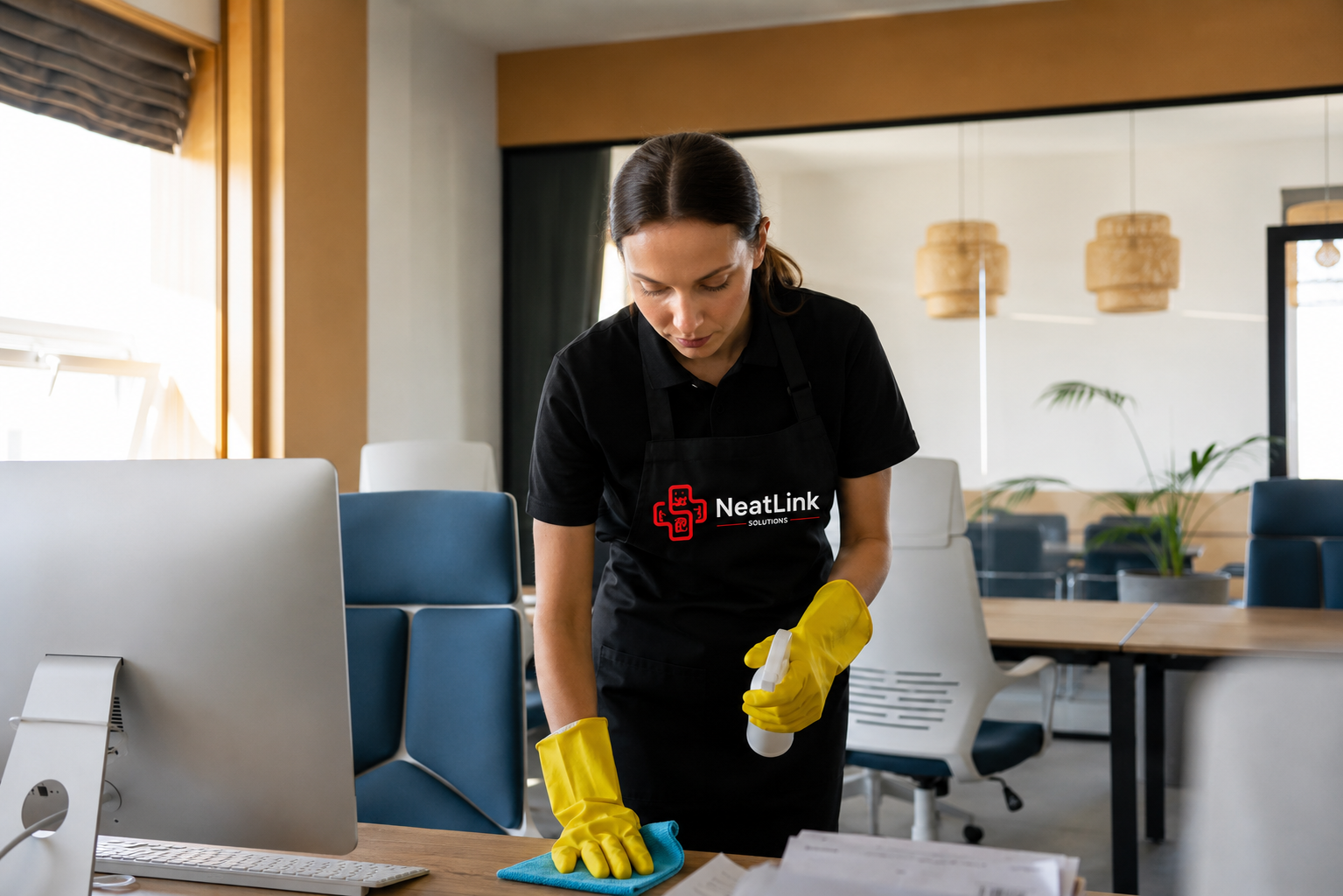
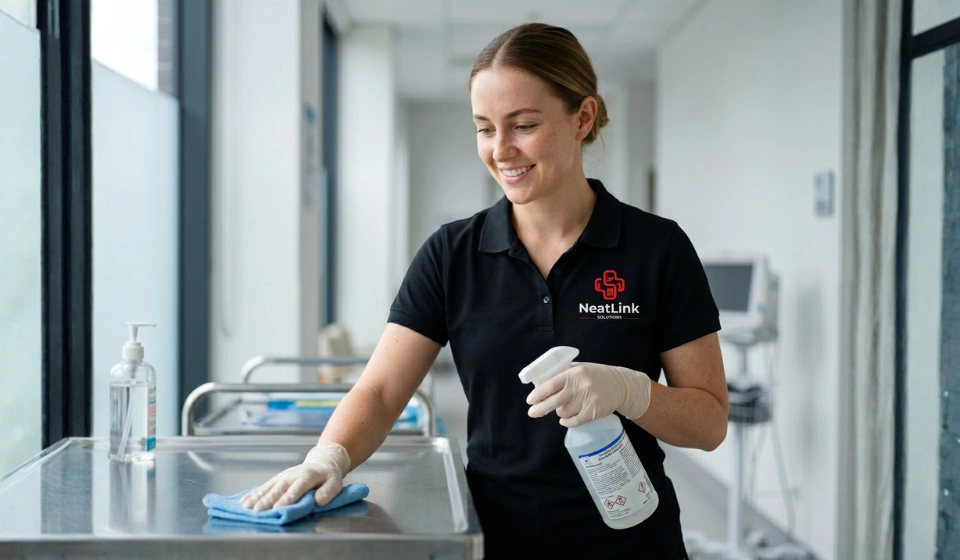
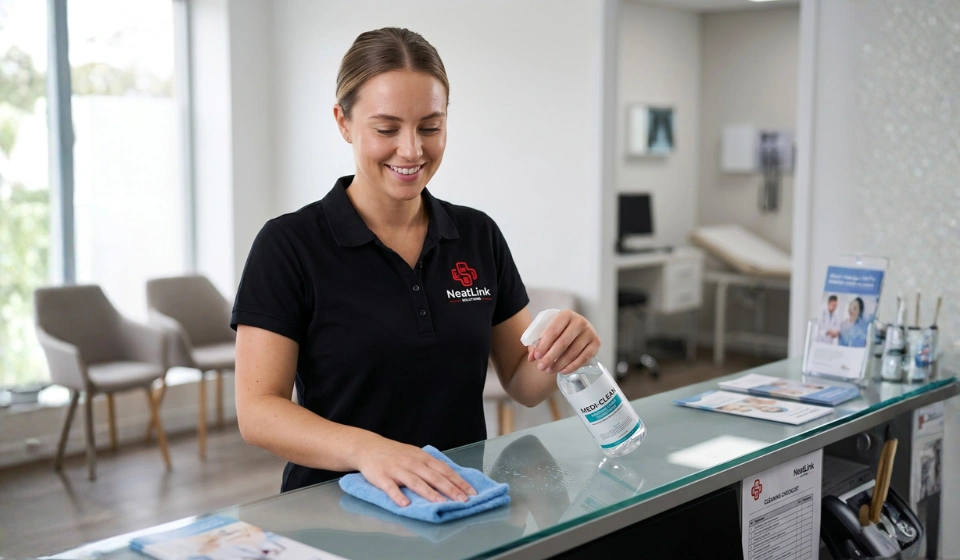
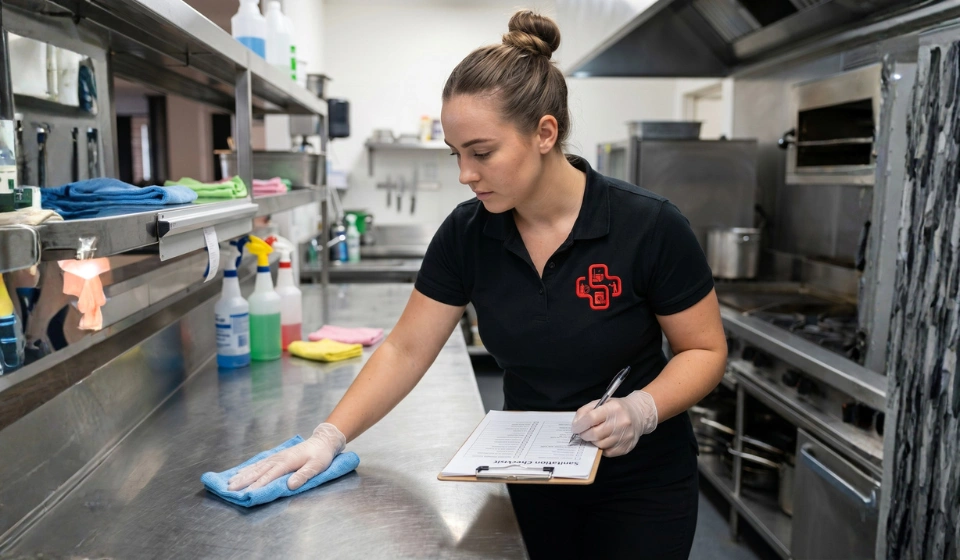
Disinfection plays a critical role in creating healthier environments by reducing harmful microorganisms that can spread illness and infection. Understanding the meaning of disinfection goes beyond simply spraying a surface with a cleaning product. It involves using appropriate disinfectants to destroy or inactivate bacteria, viruses, and other pathogens after visible dirt has been removed. The purpose of disinfection is to minimise the risk of disease transmission in homes, workplaces, healthcare facilities, and public spaces. Whether it is part of a routine cleaning schedule or a response to an outbreak, recognising the importance of disinfection helps protect people, supports public health, and ensures environments remain clean, safe, and hygienic.
How Disinfection Differs From Cleaning & Sanitising
Although the terms cleaning, sanitising, and disinfecting are often used interchangeably, they each serve a different purpose. Understanding these differences helps you choose the right approach for every situation and achieve better hygiene outcomes.
What Is Cleaning?
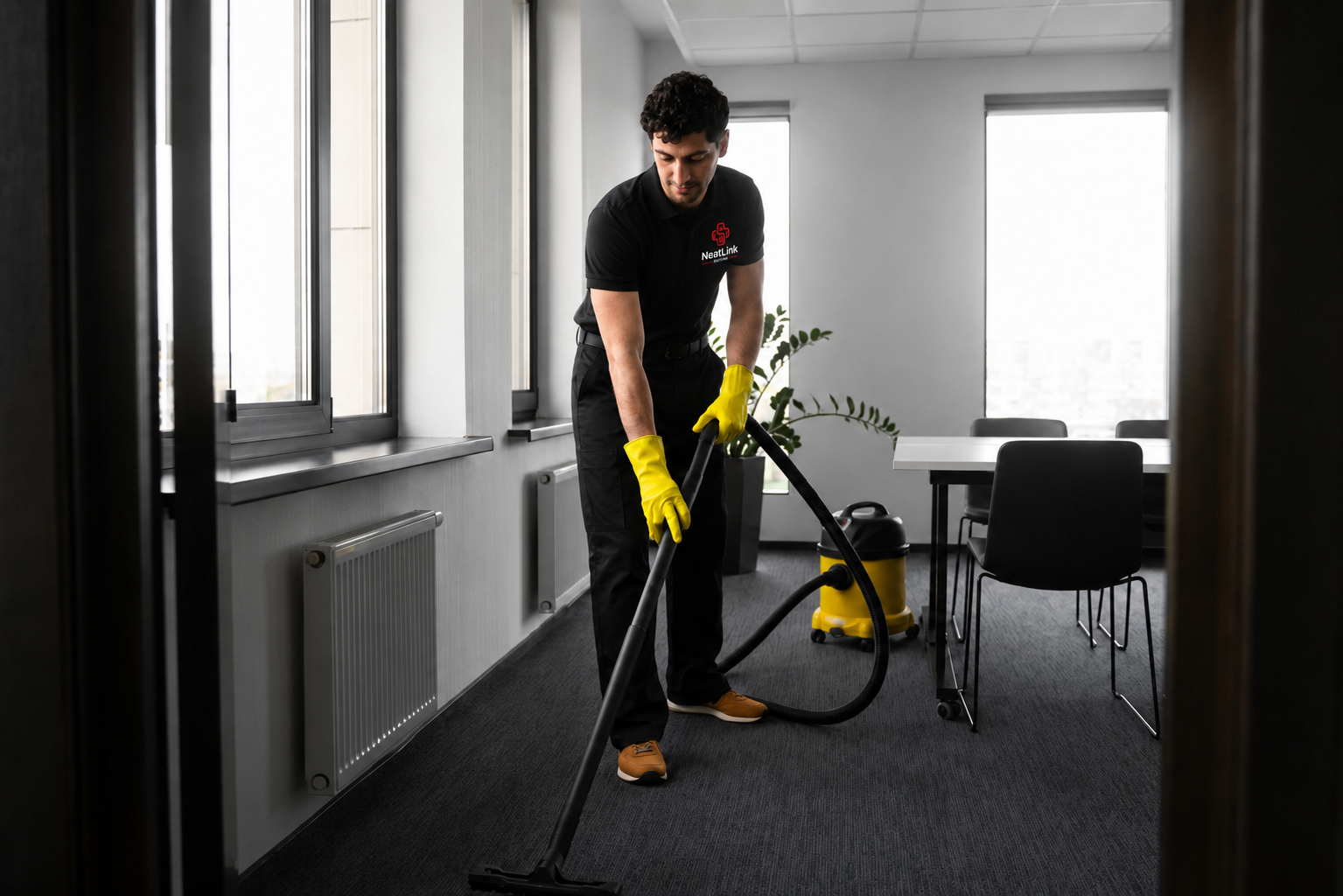
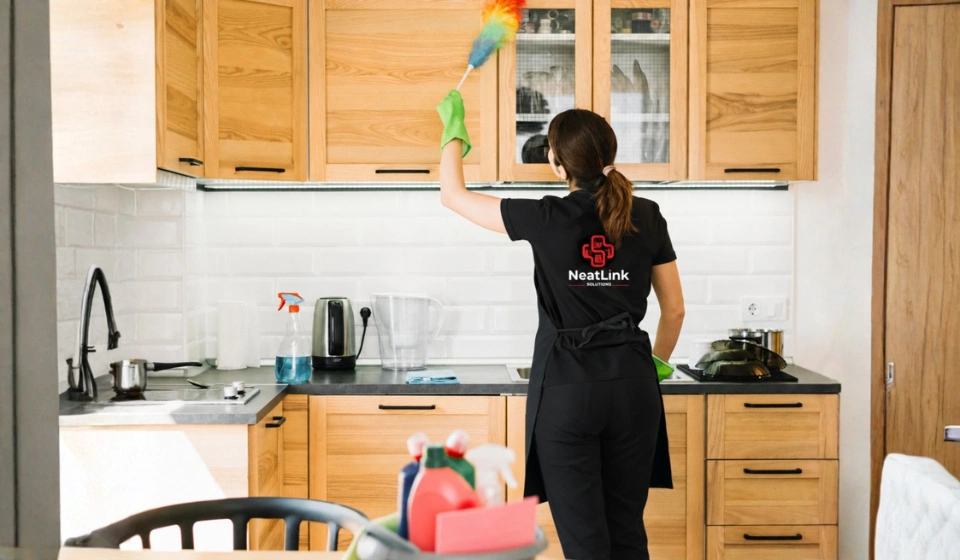
Cleaning is the process of removing dirt, dust, grease, spills, and other visible debris from surfaces. It is typically carried out using water, detergent, and physical action such as wiping or scrubbing.
Cleaning is always the first step because disinfectants work best on clean surfaces. If dirt or organic matter remains, it can create a barrier that prevents the disinfectant from reaching harmful microorganisms. In other words, even the strongest disinfectant cannot perform effectively if the surface has not been cleaned properly beforehand.
What Is Sanitising?
Sanitising reduces the number of germs on a surface to levels considered safe according to public health standards. While it lowers the concentration of bacteria, it does not necessarily eliminate all viruses or disease-causing microorganisms.
Sanitising is commonly used in food preparation areas, restaurants, childcare facilities, and public spaces where maintaining acceptable hygiene levels is essential. It provides an additional layer of protection after cleaning but is generally intended for situations where complete disinfection is not required.
What Is Disinfection?
Disinfection involves applying approved products that kill or inactivate harmful bacteria, viruses, and certain fungi remaining on cleaned surfaces. Unlike cleaning, which removes dirt, disinfection specifically targets microorganisms that may not be visible.
The principles of disinfection include selecting the appropriate disinfectant, allowing sufficient contact time, using the correct dilution, and following manufacturer instructions carefully. Disinfection becomes particularly important in healthcare settings, shared workplaces, bathrooms, kitchens, and anywhere there is an increased risk of infection.
When & Where Disinfection Is Most Important
While every environment benefits from good hygiene practices, some locations and situations require more frequent and targeted disinfection due to higher exposure to germs.
High Touch Surfaces
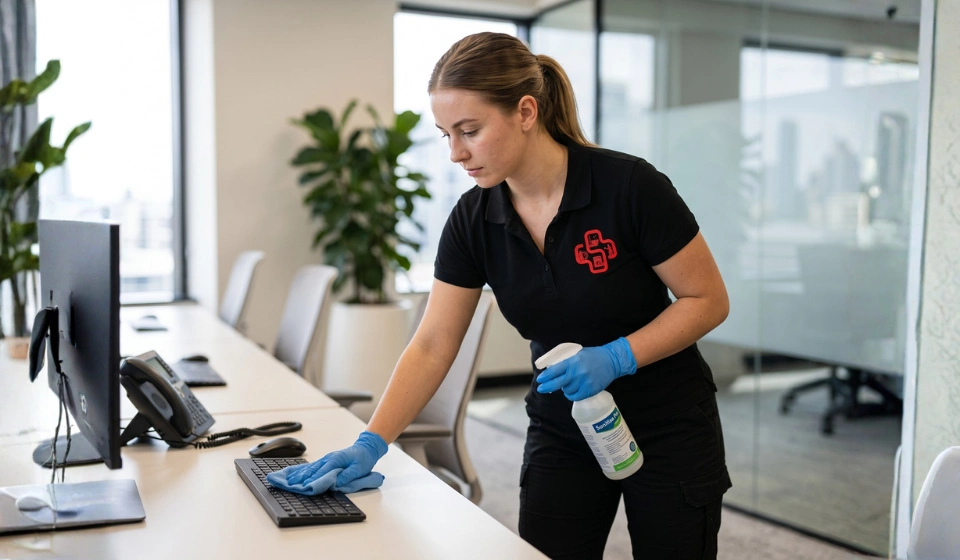
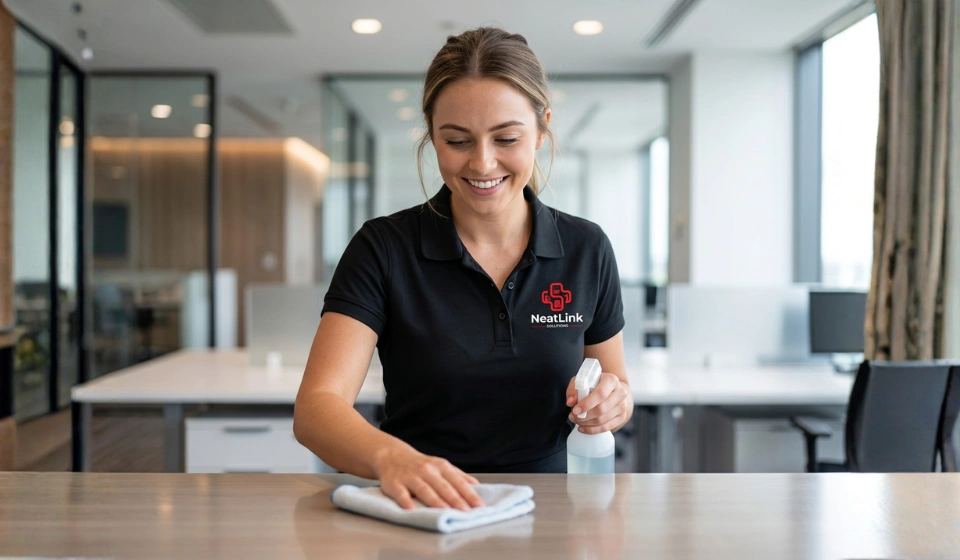
Many germs spread through everyday contact. Door handles, lift buttons, light switches, desks, keyboards, telephones, taps, handrails, shared equipment, and reception counters are touched by multiple people throughout the day.
Because these surfaces are used so frequently, they can quickly become points of cross contamination if not disinfected regularly. Establishing a routine schedule for disinfecting these high touch areas helps reduce the spread of illness, particularly during cold and flu season.
High Risk Environments
Some environments demand higher hygiene standards because vulnerable individuals or large groups regularly occupy them.
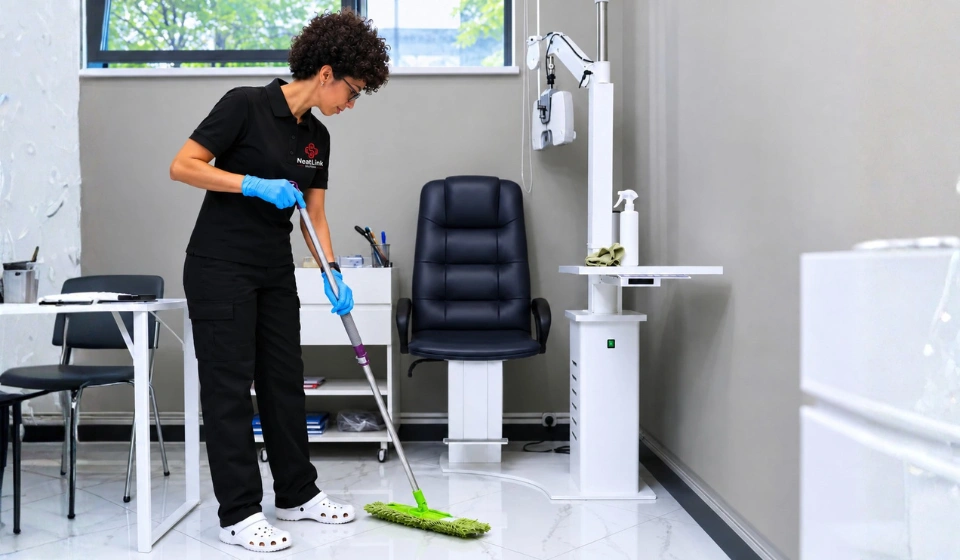
Healthcare facilities require strict disinfection procedures to reduce healthcare associated infections. Aged care centres need thorough disinfection to help protect older residents whose immune systems may be weaker. Schools and childcare centres experience frequent contact between children, making infection prevention especially important. Offices and commercial workplaces also benefit from regular disinfection, helping reduce workplace illness and improve employee wellbeing.
Each environment has different risks, so the methods of disinfection should be selected according to the type of facility, level of exposure, and applicable health guidelines.
During Illness Or Disease Outbreaks
Periods of increased illness require more frequent and thorough disinfection. Whether dealing with influenza, gastroenteritis, COVID-19, or another contagious condition, disinfecting shared surfaces helps interrupt the chain of infection.
Prompt disinfection reduces cross contamination and protects employees, customers, patients, residents, students, and visitors. Combined with good personal hygiene practices, it forms an important part of infection control strategies.
Choosing The Right Disinfection Methods & Products
Not every disinfectant is suitable for every surface or environment. Choosing the right products and applying them correctly ensures effective results without damaging surfaces or creating unnecessary health risks.
Selecting An Appropriate Disinfectant
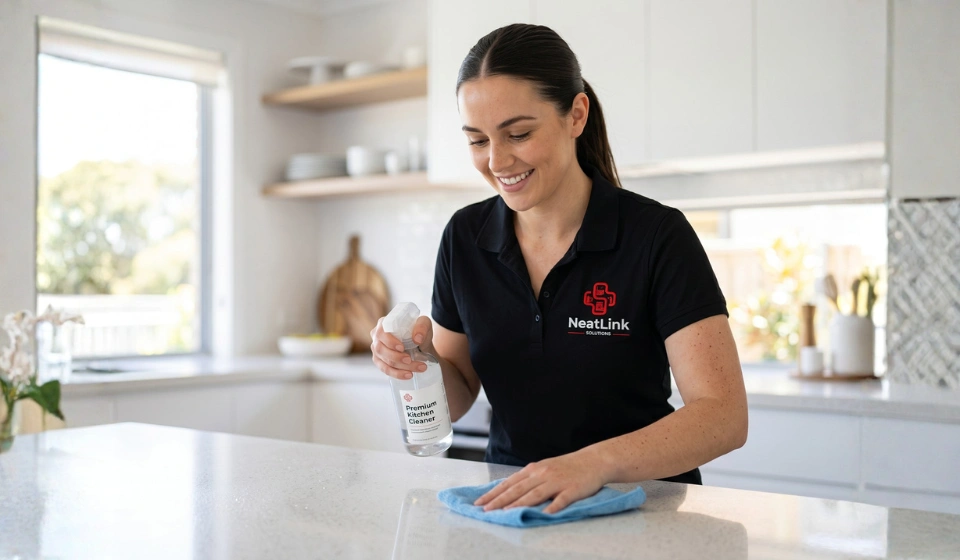
Always choose products that are designed for the specific surface being treated and the type of environment in which they will be used. Some disinfectants are formulated for healthcare settings, while others are better suited for commercial offices, kitchens, bathrooms, or residential properties.
Reading and following manufacturer instructions is essential. Recommended dilution rates, application techniques, storage conditions, and contact times all influence how effectively a disinfectant performs.
Factors To Consider
Several important factors influence the success of any disinfection process.
Contact time refers to the amount of time the disinfectant must remain on the surface before being wiped away or allowed to dry naturally. Removing the product too early can significantly reduce its effectiveness.
Surface compatibility is equally important, as some disinfectants may damage timber, natural stone, electronic equipment, or delicate finishes if used incorrectly.
Safety should also remain a priority. Consider whether the product is suitable for occupied environments and whether additional precautions are required during application. Environmental impact is another consideration, with many organisations now choosing eco friendly products that maintain high cleaning standards while reducing chemical exposure.
Professional Vs DIY Disinfection
Routine household disinfection can often be managed using appropriate cleaning products and safe practices.
However, professional cleaning services are recommended for healthcare environments, aged care facilities, commercial premises, large shared workplaces, or after infectious disease outbreaks. Professional cleaners understand the correct application techniques, safety procedures, and product selection needed to deliver consistent, high quality results.
Common Disinfection Mistakes To Avoid
Even with quality products, common mistakes can reduce the effectiveness of disinfection and leave harmful germs behind.
Skipping The Cleaning Step
One of the biggest mistakes is attempting to disinfect dirty surfaces. Dust, food residue, grease, and organic matter prevent disinfectants from making direct contact with microorganisms.
Cleaning thoroughly before disinfecting ensures the product can work as intended.
Using Products Incorrectly
Incorrect dilution, using expired products, wiping surfaces too quickly, or failing to allow adequate contact time can all reduce effectiveness.
Following product instructions carefully helps maximise the benefits of disinfection while ensuring surfaces receive the intended level of protection.
Overlooking Frequently Touched Areas
Cleaning visible areas while forgetting frequently touched surfaces is another common oversight.
Items such as remote controls, keyboards, shared office equipment, lift buttons, and handrails are often missed despite being handled regularly throughout the day.
Including these areas within routine cleaning schedules helps reduce opportunities for germ transmission.
Ignoring Personal Safety
Disinfectants should always be used responsibly. Wearing appropriate protective equipment where required, ensuring adequate ventilation, and avoiding unnecessary mixing of chemicals helps protect both cleaners and building occupants.
Proper training also reduces the likelihood of accidents while ensuring products are used effectively.
Best Practices For Effective & Safe Disinfection
Successful disinfection depends on consistency, correct procedures, and ongoing attention to hygiene rather than one off treatments.
Follow A Consistent Cleaning Schedule
High traffic environments require routine disinfection to maintain hygiene standards. Frequently touched surfaces may need cleaning several times each day, while lower risk areas can follow a less frequent schedule.
Adjusting cleaning frequency according to occupancy levels, seasonal illness, and operational requirements ensures resources are used efficiently.
Train Staff & Follow Procedures
Anyone responsible for cleaning should receive appropriate training in product handling, dilution procedures, safe application methods, and workplace health and safety requirements.
Clear cleaning procedures create consistency across teams while reducing the likelihood of missed areas or incorrect product use.
Focus On Prevention
The most effective hygiene strategies combine cleaning, sanitising, and disinfection rather than relying on one approach alone.
Encouraging regular hand washing, maintaining clean facilities, disinfecting high touch surfaces, and responding quickly to illness all contribute to healthier environments. Prevention is always more effective than responding after infections have already spread.
Key Takeaways
Disinfection is an essential part of maintaining clean, healthy, and safe environments across homes, workplaces, healthcare settings, and public spaces. By understanding the difference between cleaning, sanitising, and disinfecting, selecting the right products, and following proven best practices, individuals and businesses can significantly reduce the spread of harmful germs. Combined with consistent cleaning routines and responsible hygiene practices, proper disinfection supports healthier spaces for everyone.