Essential Cleaning Checklist For Healthcare Facilities
- Blog
- Essential Cleaning Checklist For Healthcare Facilities
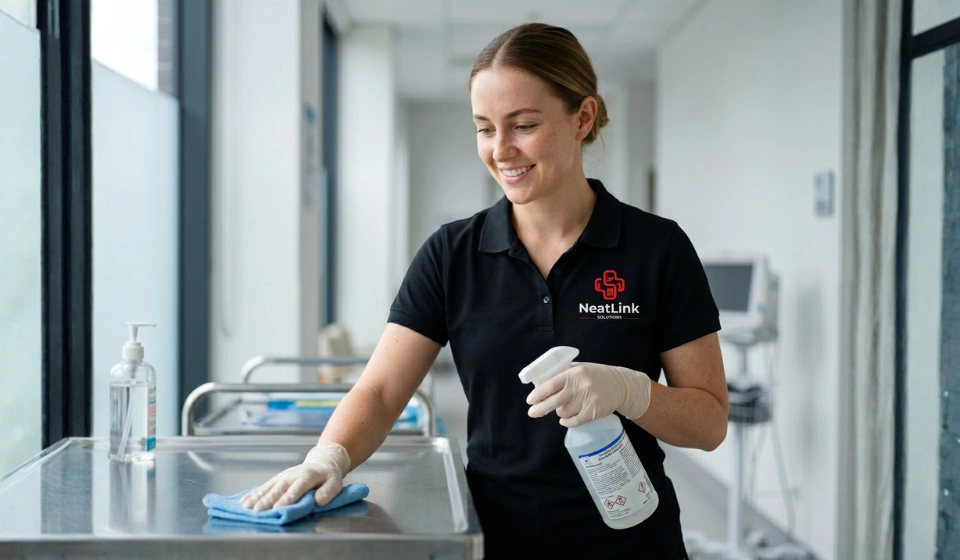
Cleanliness is one of the most important foundations of a safe and effective healthcare environment. Whether it is a medical centre, specialist clinic, dental practice, or allied health facility, maintaining high hygiene standards helps protect patients, staff, and visitors while supporting regulatory compliance and operational efficiency. A structured cleaning approach ensures that no critical areas are overlooked and that infection risks are minimised throughout the facility.
Why Cleanliness Is Critical In Healthcare Facilities
Healthcare facilities experience constant movement of patients, staff, and visitors, making them particularly vulnerable to the spread of germs and contaminants. Maintaining a hygienic environment is essential for both safety and professional healthcare delivery.
Protecting Patients, Staff & Visitors
A clean healthcare environment plays a direct role in safeguarding everyone who enters the facility. Patients may already have compromised immune systems or existing health conditions, making them more susceptible to infections. Regular cleaning and disinfection help reduce exposure to harmful bacteria and viruses that can linger on surfaces and equipment.
Beyond infection prevention, cleanliness contributes to a safer and more comfortable experience for patients, visitors, and healthcare workers. Well-maintained facilities create a positive impression and reinforce confidence in the quality of care being delivered. When patients see a clean and organised environment, they are more likely to trust the healthcare services they receive.
Supporting Infection Prevention Efforts
Cleaning is a critical component of infection control within any healthcare setting. Effective cleaning procedures help minimise the risk of cross-contamination between patients, staff members, and treatment areas.
By routinely disinfecting surfaces and equipment, healthcare facilities can significantly reduce the likelihood of healthcare-associated infections. Maintaining high hygiene standards also supports a healthier environment where patients can receive treatment and recover with greater confidence.
Daily Cleaning Tasks For A Safer Environment
Daily cleaning forms the backbone of any healthcare facility cleaning checklist. These routine tasks help maintain hygiene standards and prevent the build-up of contaminants throughout the facility.
Treatment Rooms & Consultation Areas
Treatment and consultation rooms require thorough daily cleaning due to their frequent use. Examination tables, chairs, countertops, and treatment surfaces should be cleaned and disinfected after use and as part of daily cleaning schedules.
Medical equipment and frequently used tools should also be sanitised according to manufacturer recommendations and facility protocols. Waste should be removed promptly, and rooms should be kept tidy to create a professional clinical environment that supports patient care.
Reception & Waiting Areas
Reception and waiting areas are often the first spaces patients encounter. Maintaining cleanliness in these areas helps create a welcoming and hygienic first impression.
Reception desks, seating, counters, and shared surfaces should be cleaned regularly throughout the day. Waste bins should be emptied as needed, and floors should remain free from debris, dirt, and clutter. Consistent attention to these spaces helps maintain a professional atmosphere while supporting infection control efforts.
High-Touch Surfaces
High-touch surfaces require special attention because they are contacted by multiple people throughout the day. Door handles, light switches, handrails, counters, and lift buttons can quickly become contamination points if not cleaned regularly.
Touchscreens, payment terminals, tablets, and other shared devices should also be disinfected frequently. Consistent sanitisation of these surfaces helps reduce the spread of germs and contributes to a safer healthcare environment.
Keeping Shared Spaces Clean & Hygienic
Shared spaces are used by both staff and visitors and require ongoing attention to maintain hygiene standards. These areas can easily become sources of contamination if cleaning is inconsistent.
Washrooms & Handwashing Stations
Washrooms play a crucial role in healthcare hygiene. Toilets, basins, mirrors, taps, dispensers, and other fixtures should be thoroughly cleaned and disinfected daily.
Healthcare facilities should also ensure soap, paper towels, toilet paper, and hand sanitiser supplies remain fully stocked. Clean and accessible handwashing stations encourage good hygiene practices and support infection prevention throughout the facility.
Staff Rooms & Common Areas
Staff rooms, kitchenettes, and break areas deserve the same level of attention as patient-facing spaces. Shared appliances such as microwaves, refrigerators, kettles, and coffee machines should be cleaned regularly to prevent the build-up of bacteria and food residue.
Tables, chairs, and frequently touched surfaces should be sanitised consistently. Maintaining clean staff areas promotes workplace hygiene and helps create a healthier environment for healthcare workers.
Weekly Cleaning & Disinfection Priorities
While daily cleaning addresses immediate hygiene concerns, weekly cleaning tasks focus on deeper cleaning activities that help maintain long-term cleanliness and presentation.
Floors, Walls & Glass Surfaces
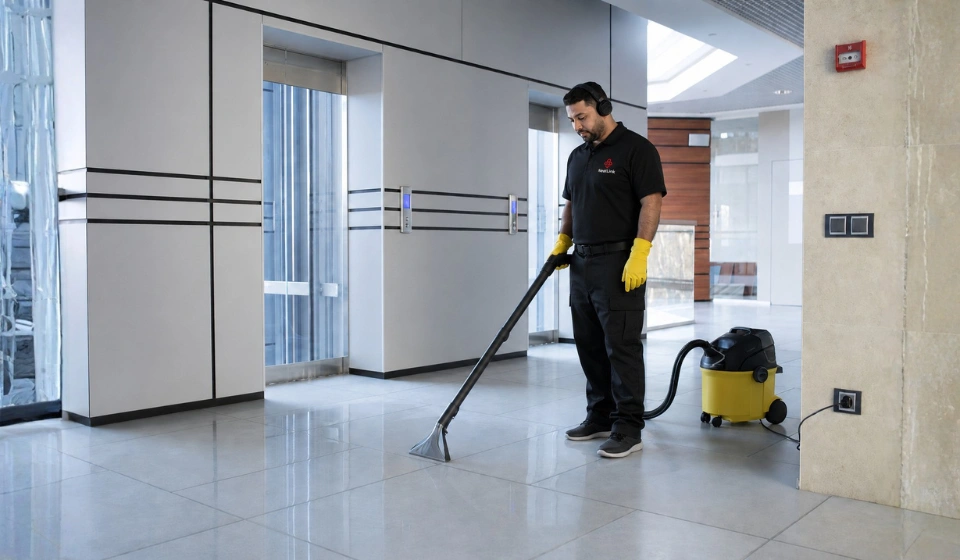
Floors in healthcare settings experience significant foot traffic and can quickly accumulate dirt, dust, and contaminants. Weekly deep cleaning should include vacuuming carpets, mopping hard floors, and addressing any stains or marks.
Walls, partitions, and skirting boards should also be cleaned to remove dust and scuff marks. Internal windows, glass doors, and partitions benefit from regular cleaning to maintain visibility and present a professional appearance throughout the facility.
Medical Equipment & Furniture
Non-critical medical equipment requires scheduled cleaning and inspection to maintain hygiene standards. Equipment surfaces should be thoroughly cleaned according to facility protocols and manufacturer guidelines.
Furniture, cabinets, shelving, and storage units should also be disinfected and inspected for dust accumulation. Including these tasks in a medical facility cleaning checklist helps ensure all areas remain clean and functional.
Areas That Require Extra Attention
Certain areas within healthcare facilities experience heavier use and therefore require increased cleaning frequency. These spaces often present a higher risk of contamination and should be closely monitored.
High-Traffic Zones
Entrances, hallways, reception areas, and waiting rooms experience constant movement throughout the day. These areas often accumulate dirt, dust, and contaminants brought in from outside.
Frequent cleaning helps maintain appearance standards while reducing the spread of germs. Paying close attention to these busy areas ensures the facility remains welcoming and hygienic.
Frequently Touched Fixtures & Fittings
Handrails, taps, dispensers, door handles, and lift buttons are touched repeatedly throughout the day by patients, visitors, and staff members.
Shared devices and commonly used equipment should also be included in routine disinfection schedules. Increasing cleaning frequency in these high-contact areas helps minimise contamination risks and supports infection control measures.
Waste Disposal Areas
Waste management is a critical component of any medical centre cleaning checklist. Healthcare waste must be handled and disposed of safely to prevent contamination and maintain regulatory compliance.
Bins, waste storage areas, and disposal points should be cleaned regularly. Proper waste management practices also help prevent unpleasant odours, pest activity, and the spread of harmful contaminants.
Maintaining Compliance With Healthcare Cleaning Standards
Compliance is essential within healthcare environments. Effective cleaning programs help facilities meet hygiene requirements while demonstrating a commitment to patient and staff safety.
Following Cleaning Protocols
Every healthcare facility should have clearly defined cleaning procedures tailored to its operations and services. Staff should follow approved cleaning protocols consistently and use appropriate cleaning products and disinfectants for each task.
Adhering to established procedures helps ensure cleaning activities are effective and aligned with healthcare hygiene standards. A comprehensive medical practice cleaning checklist can assist facilities in maintaining consistency across all cleaning responsibilities.
Documenting Cleaning Activities
Documentation provides evidence that cleaning activities are being completed as required. Cleaning logs, inspection reports, and maintenance records help track completed tasks and identify areas for improvement.
Accurate documentation can also support audits, inspections, and compliance assessments. Keeping detailed records demonstrates accountability and reinforces the facility’s commitment to maintaining high hygiene standards.
The Value of Professional Healthcare Cleaning Services
Healthcare environments demand a higher level of cleanliness than many other workplaces. Professional cleaning services can help facilities consistently achieve these standards while allowing healthcare teams to focus on patient care.
Consistent Cleaning Outcomes
Professional healthcare cleaners bring specialised training, experience, and industry knowledge to the task. They understand healthcare cleaning requirements and follow established procedures to deliver reliable results.
Professional teams also use commercial-grade equipment, effective disinfectants, and industry-approved cleaning methods. These resources help ensure cleaning outcomes remain consistent across all areas of the facility.
Supporting a Safer Healthcare Environment
Professional cleaning services strengthen infection prevention efforts by maintaining high hygiene standards throughout the facility. Their expertise can help healthcare organisations meet compliance requirements while reducing the risk of contamination.
A structured healthcare facility cleaning checklist, supported by experienced professionals, allows healthcare staff to focus on delivering quality patient care rather than managing cleaning concerns. The result is a cleaner, safer, and more efficient healthcare environment that benefits everyone who enters the facility.
Maintaining healthcare cleanliness is not simply about appearance. It is a critical part of patient safety, infection prevention, and operational excellence. By following a comprehensive cleaning program and prioritising high-risk areas, healthcare facilities can create environments that support health, confidence, and quality care every day.
Latest Post
The Benefits Of Carpet Cleaning
Importance Of Cleanliness In Daily Life
The Ultimate Clinic Cleaning Checklist For Medical Centres & Facilities
Deep Cleaning Vs Regular Cleaning: What’s The Real Difference?
The Complete Guide To Janitorial Cleaning Checklists
The Key Benefits Of Hiring Professional Cleaning Services
What Is Strata Cleaning? Meaning, Purpose and Key Insights
The Ultimate Office Cleaning Checklist For A Healthier Workplace

The Office Cleaning Checklist Every Business Needs