The Ultimate Clinic Cleaning Checklist For Medical Centres & Facilities
- Blog
- The Ultimate Clinic Cleaning Checklist For Medical Centres & Facilities
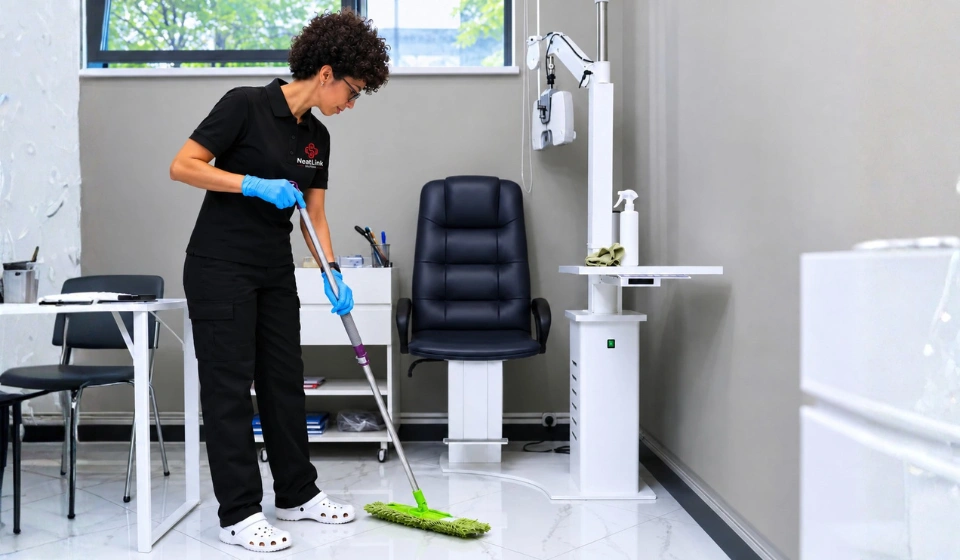
Maintaining a high standard of cleanliness in healthcare settings is essential for protecting patient health and ensuring safe day-to-day operations. Structured cleaning plays a critical role in infection prevention by reducing the spread of harmful pathogens across surfaces and shared spaces. A well-defined checklist not only improves consistency but also creates accountability, ensuring that every area of a clinic is cleaned thoroughly and on schedule.
Why Proper Cleaning Matters In Medical Centres?
Cleanliness in medical environments goes far beyond appearance. It directly impacts patient outcomes, staff wellbeing, and the overall credibility of a healthcare facility. Without strict cleaning protocols, clinics risk becoming environments where infections can spread easily, particularly among vulnerable patients.
From a practical standpoint, following proper medical clinic cleaning procedures helps ensure that all areas are maintained to a consistent standard. This is especially important in busy clinics where multiple patients move through spaces daily, increasing the risk of contamination if cleaning is not managed effectively.
- Prevents healthcare-associated infections (HAIs) by reducing exposure to harmful bacteria and viruses.
- Protects patients, staff, and visitors from avoidable health risks.
- Maintains a professional image and builds trust with patients.
- Helps meet regulatory requirements and inspection standards.
- Minimises cross-contamination between patients and clinical areas.
Understanding Different Cleaning Needs
Not all areas within a clinic carry the same level of risk, which is why cleaning approaches must be tailored accordingly. Low-risk areas such as waiting rooms and administrative offices primarily require general cleaning focused on presentation, dust control, and maintaining a welcoming environment for patients.
Medium-risk areas, including consultation rooms, require more frequent and detailed cleaning. These spaces involve direct patient interaction, meaning surfaces such as examination beds, desks, and medical equipment must be regularly disinfected to prevent the spread of germs.
High-risk areas like treatment rooms, procedure spaces, and laboratories demand the most stringent protocols. These zones often involve exposure to bodily fluids and contaminants, requiring hospital-grade disinfectants and strict adherence to a medical centre cleaning checklist. Adjusting cleaning frequency and techniques based on risk levels ensures both efficiency and safety across the entire facility.
Daily Cleaning Tasks to Keep Your Clinic Safe
Daily cleaning forms the foundation of a safe and hygienic clinic environment. It ensures that high-traffic areas remain clean and reduces the accumulation of contaminants throughout the day.
Consistency is key, and following a structured clinic cleaning checklist helps staff maintain standards even during busy periods. Regular attention to essential areas ensures that hygiene is not compromised.
- Reception and waiting areas should be dusted, surfaces wiped, and touchpoints disinfected regularly.
- Consultation rooms require cleaning of examination beds and all equipment surfaces after use.
- Washrooms must be sanitised thoroughly, including toilets, sinks, and restocking supplies.
- Floors and common areas should be swept and mopped using appropriate disinfectants.
- Waste bins need to be emptied, cleaned, and relined to prevent odours and contamination.
High-Touch Surfaces & Between-Patient Cleaning You Can’t Miss
High-touch surfaces are among the most common sources of contamination in medical settings. These areas require frequent attention throughout the day, particularly in clinics with high patient turnover.
Between-patient cleaning is equally important. Each patient interaction should be followed by proper cleaning and disinfection to maintain a safe environment and prevent cross-contamination.
- Frequently touched surfaces include door handles, light switches, armrests, and counters.
- Medical equipment such as blood pressure monitors, examination tables, and diagnostic tools must be disinfected after each use.
- Between-patient protocol should follow a clear sequence: clean, disinfect, and allow appropriate dwell time.
- Approved disinfectants and wipes should always be used to ensure effectiveness.
- Proper cleaning techniques help prevent the transfer of contaminants between surfaces.
Weekly & Deep Cleaning Tasks For A Healthier Environment
While daily cleaning handles immediate hygiene needs, deeper cleaning tasks are essential for maintaining long-term cleanliness and preventing hidden build-up of dirt and bacteria.
- Deep cleaning of floors, carpets, and upholstery to remove embedded contaminants.
- Cleaning walls, doors, and partitions to maintain overall hygiene standards.
- Dusting vents, air ducts, and ceiling fixtures to improve air quality.
- Disinfecting less frequently used equipment to ensure readiness and safety.
- Cleaning storage areas and hard-to-reach spaces often overlooked in daily routines.
Choosing The Right Safety Practices
Using the correct cleaning products and equipment is just as important as following the right procedures. Hospital-grade disinfectants, including those approved under Australian guidelines, are essential for effectively eliminating pathogens in clinical environments.
A colour-coded cleaning system can significantly reduce the risk of cross-contamination by ensuring that tools used in one area are not reused in another. This simple but effective method supports better hygiene control across different zones.
Equally important is the proper use of personal protective equipment. Gloves, masks, and protective clothing help safeguard cleaning staff while also preventing the spread of contaminants. Safe handling and storage of chemicals, along with following manufacturer instructions for dilution and dwell time, ensures both safety and effectiveness in all cleaning activities.
Managing Medical Waste & Maintaining Cleaning Standards
Effective waste management is a critical component of any medical facility cleaning checklist, ensuring that hazardous materials are handled and disposed of safely. This includes proper segregation of general, clinical, and biohazard waste, as well as the use of clearly labelled bins and liners. Consistent documentation, staff training, and adherence to standard operating procedures support accountability, while regular audits and quality checks help maintain high cleaning standards and ongoing compliance.
Maintaining A Clean & Compliant Clinic Environment
Maintaining a consistently clean medical facility requires more than routine effort-it demands a structured, well-managed approach that covers every aspect of daily, high-touch, and deep cleaning. By following a clear clinic cleaning checklist, healthcare providers can significantly reduce infection risks, improve patient confidence, and ensure compliance with industry standards. While in-house teams can manage basic tasks, partnering with experienced professionals ensures that cleaning is carried out with the right techniques, products, and attention to detail required in clinical environments. Ultimately, a proactive approach to cleaning not only protects health and safety but also supports the smooth, professional operation of your facility.
Latest Post
The Benefits Of Carpet Cleaning
Importance Of Cleanliness In Daily Life
The Ultimate Clinic Cleaning Checklist For Medical Centres & Facilities
Deep Cleaning Vs Regular Cleaning: What’s The Real Difference?
The Complete Guide To Janitorial Cleaning Checklists
The Key Benefits Of Hiring Professional Cleaning Services
What Is Strata Cleaning? Meaning, Purpose and Key Insights